
Beyond Berlin: Guiding Jewish heritage along the Rhine
A few times each year, I step away from my usual guiding routine in Berlin to lead a tour beyond the city.
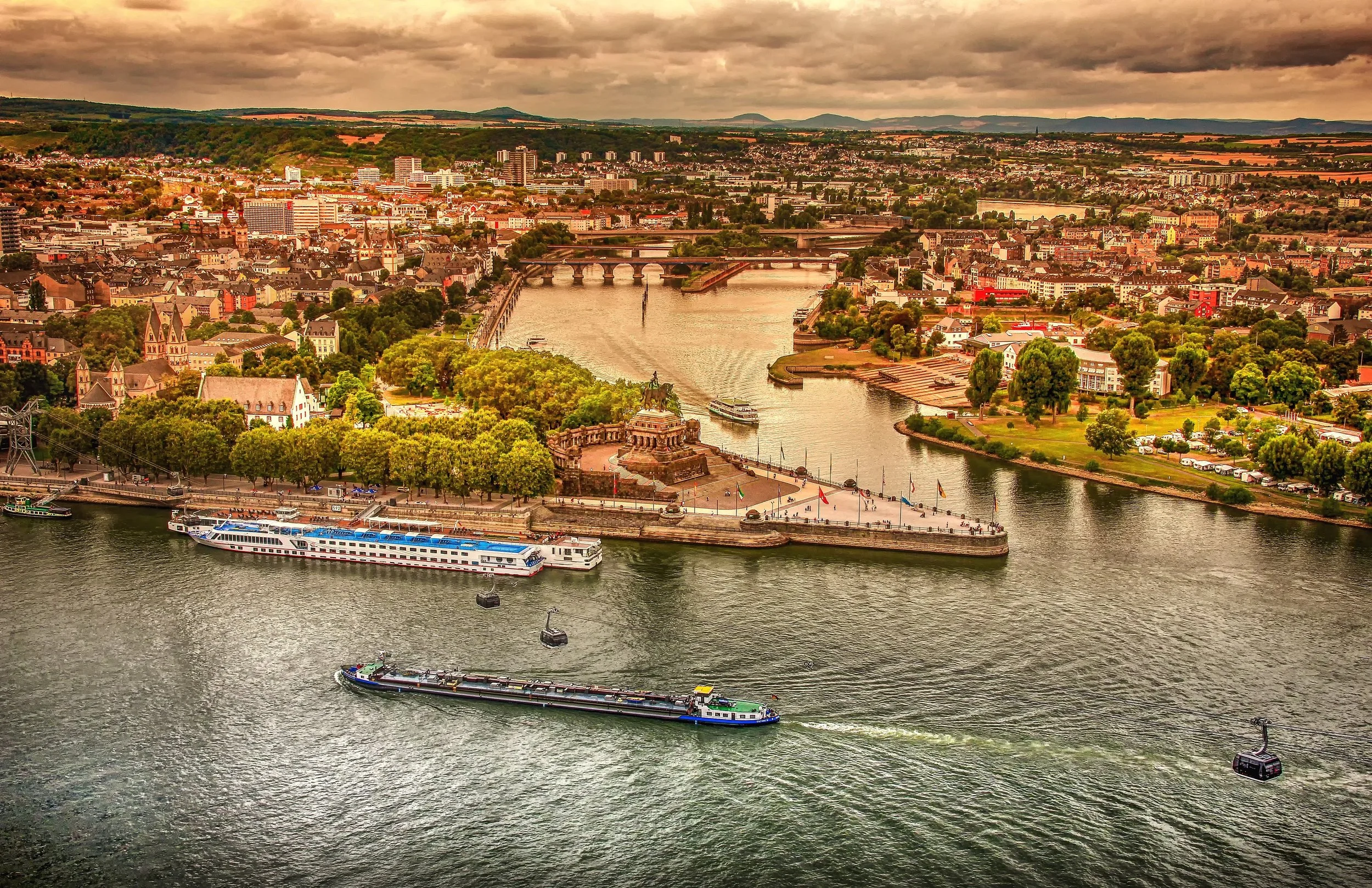
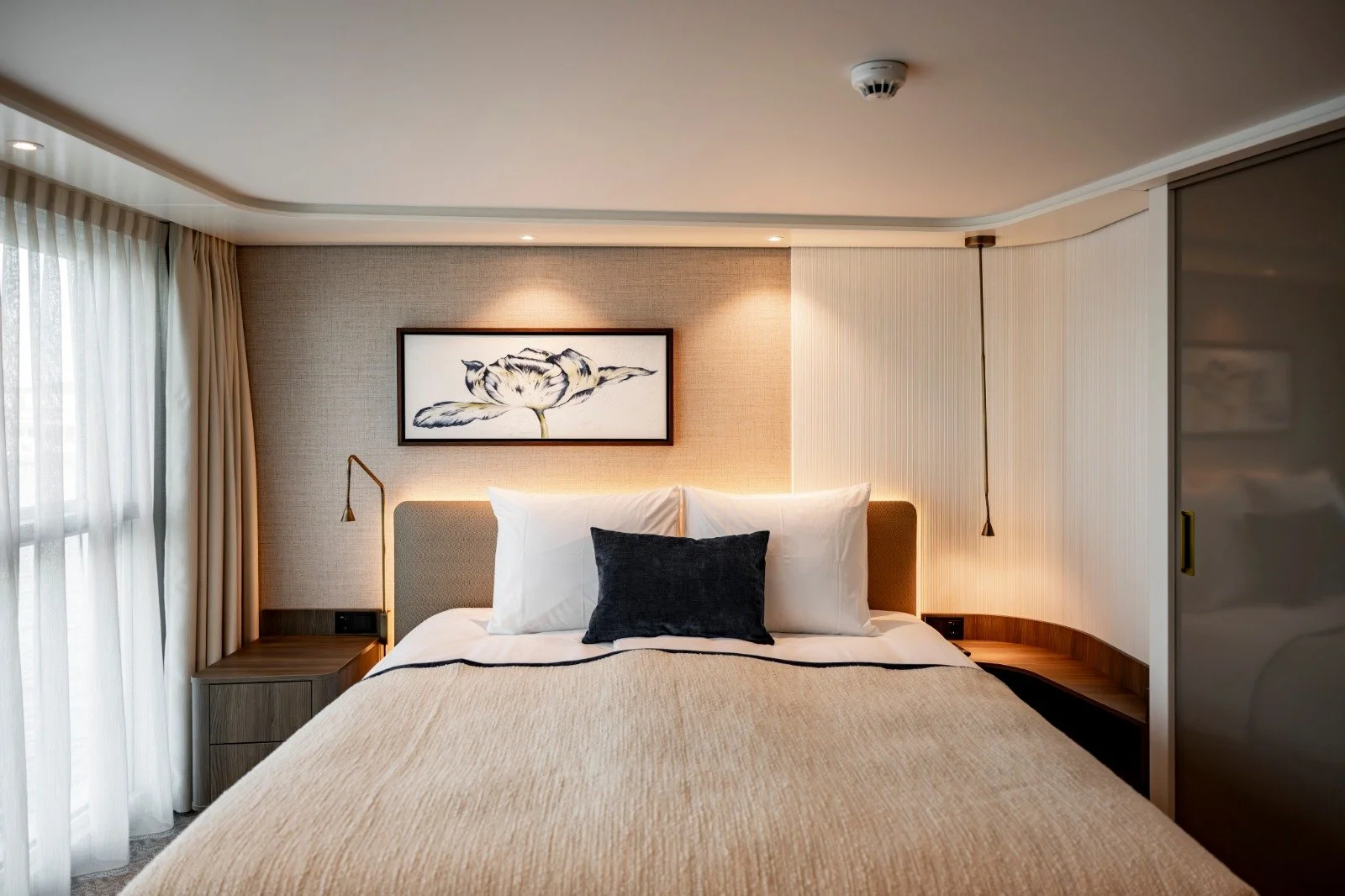
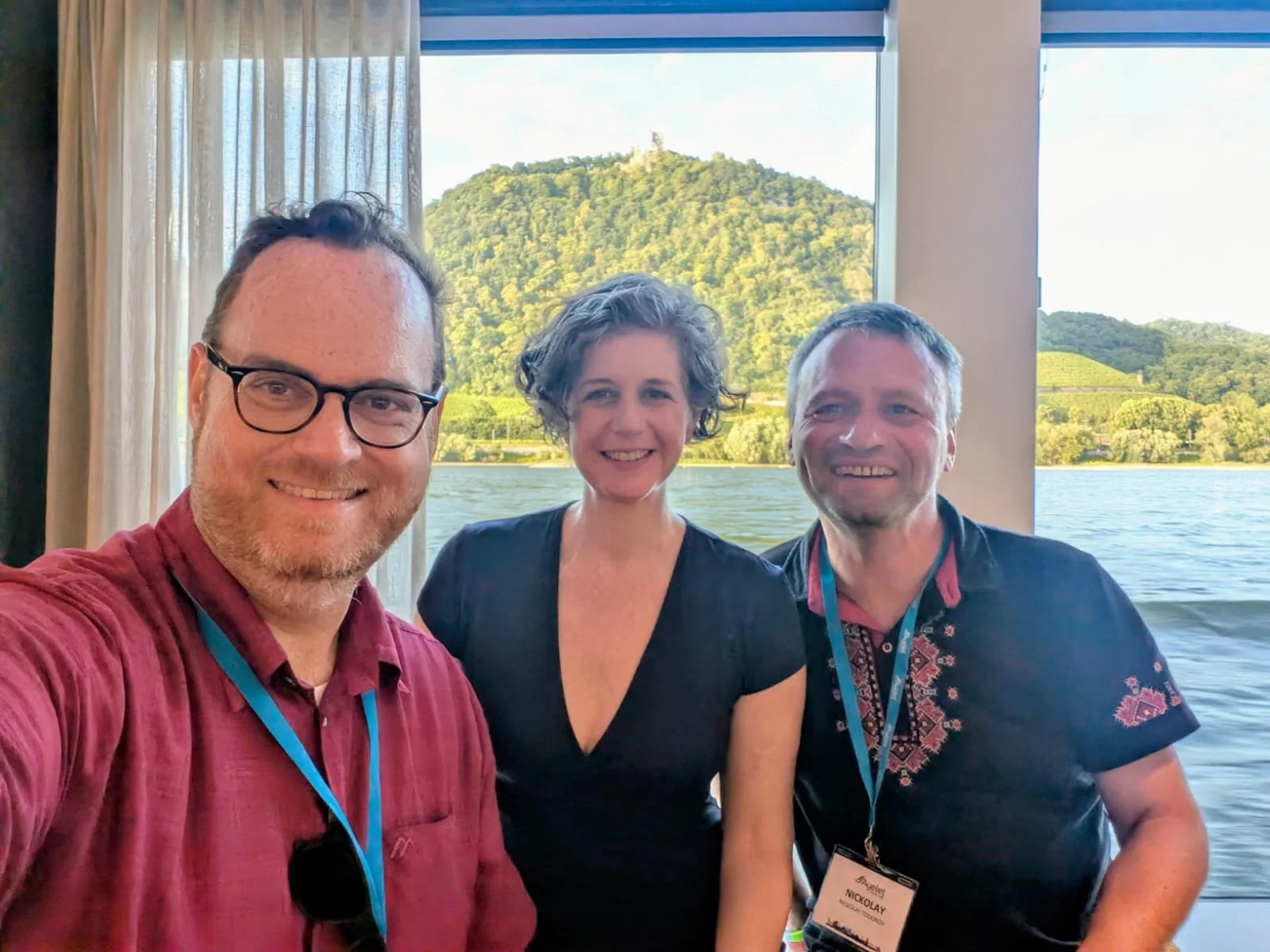
This summer took me back to the Rhine. I had guided a similar itinerary before, but this was my first experience aboard a river cruise. Traveling with Ayelet Tours from Düsseldorf to Basel on The Nobleman, we had the ship as our home for the week. With a gym, sauna, massage room, and excellent dining, the cherry on top during a relentless heat wave was the gloriously powerful air conditioning.
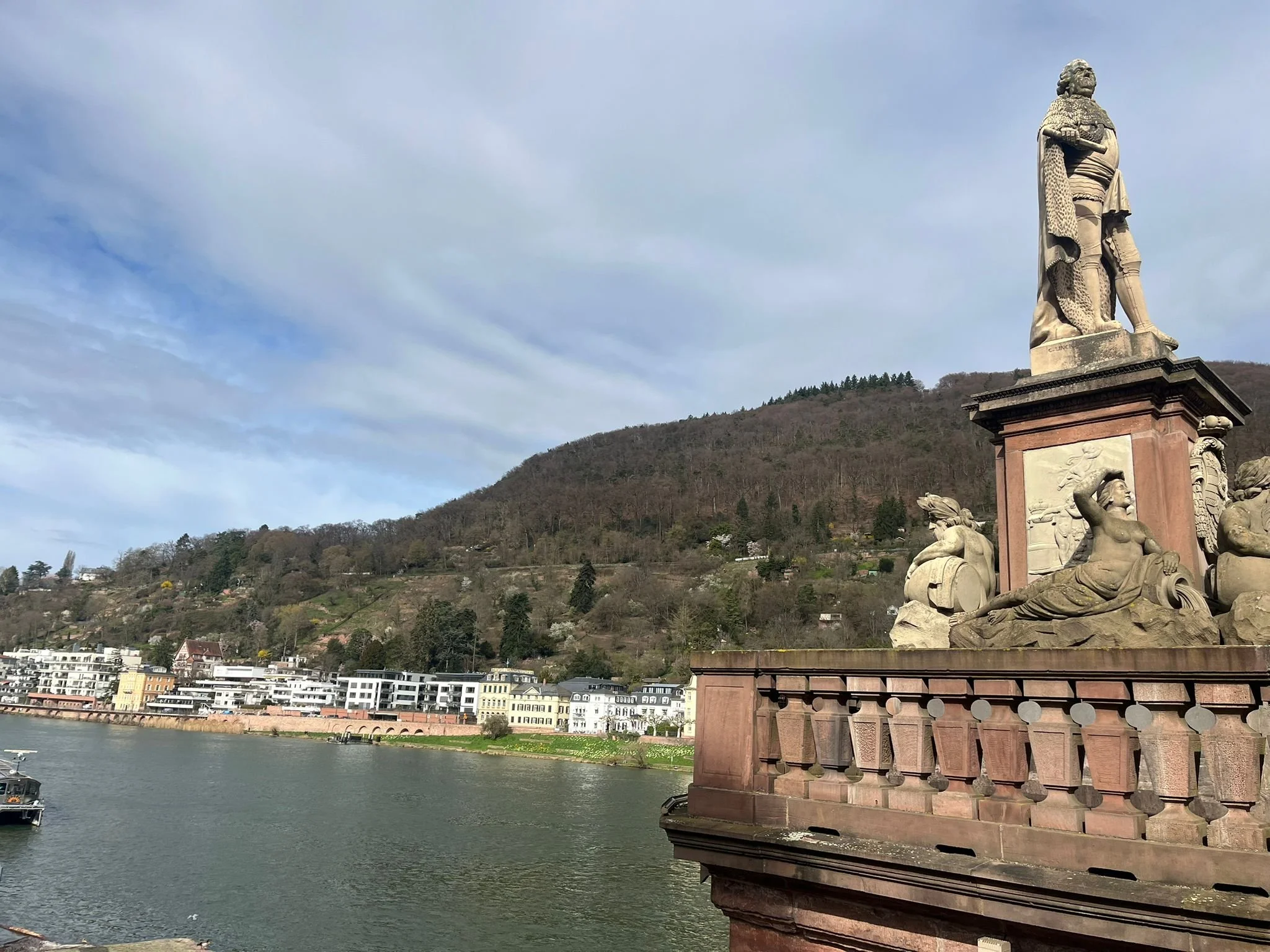
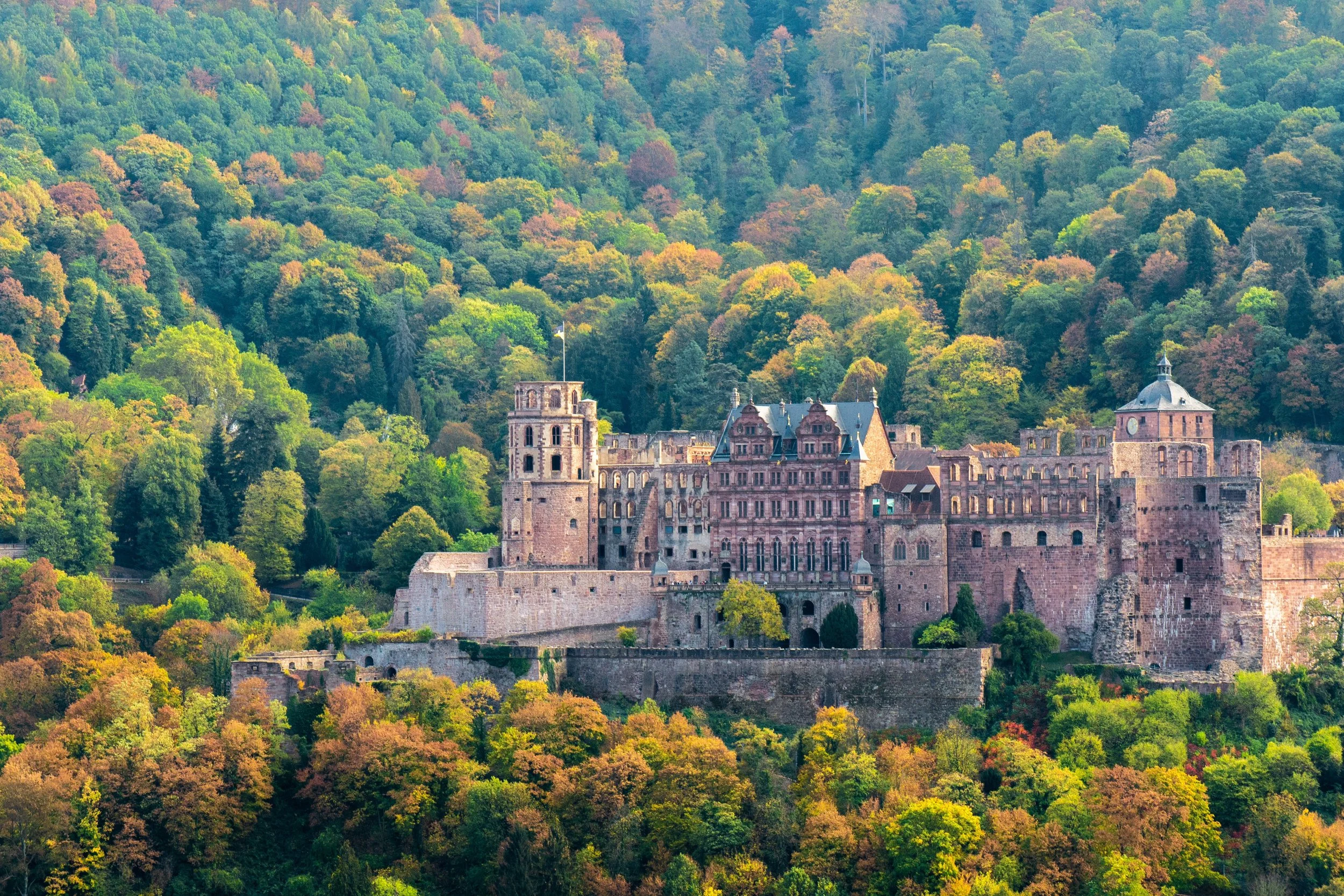
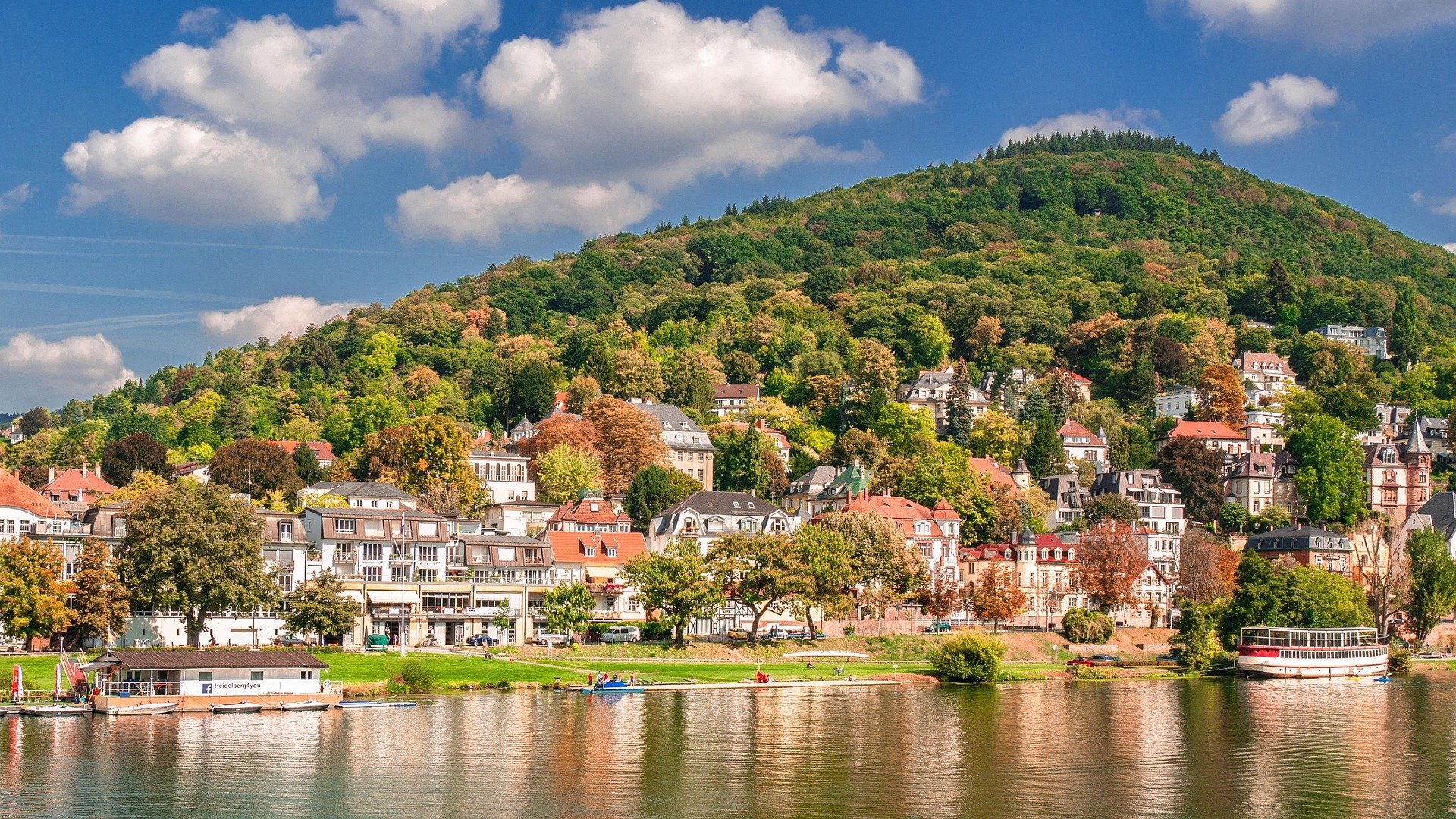
Views from the Old Bridge, Heidelberg, overlooking the Neckar, a tribute of the Rhine
History onshore and onboard
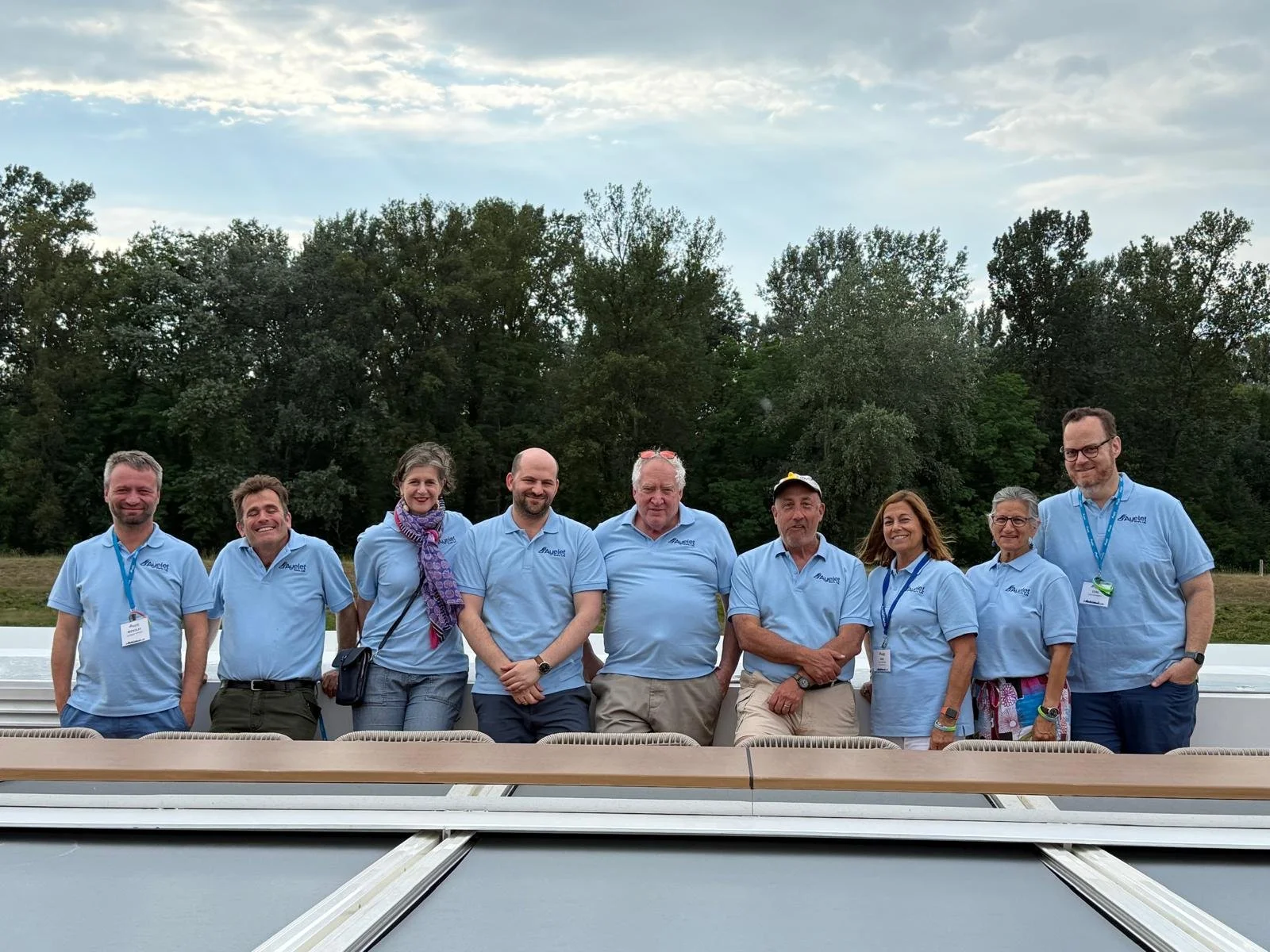
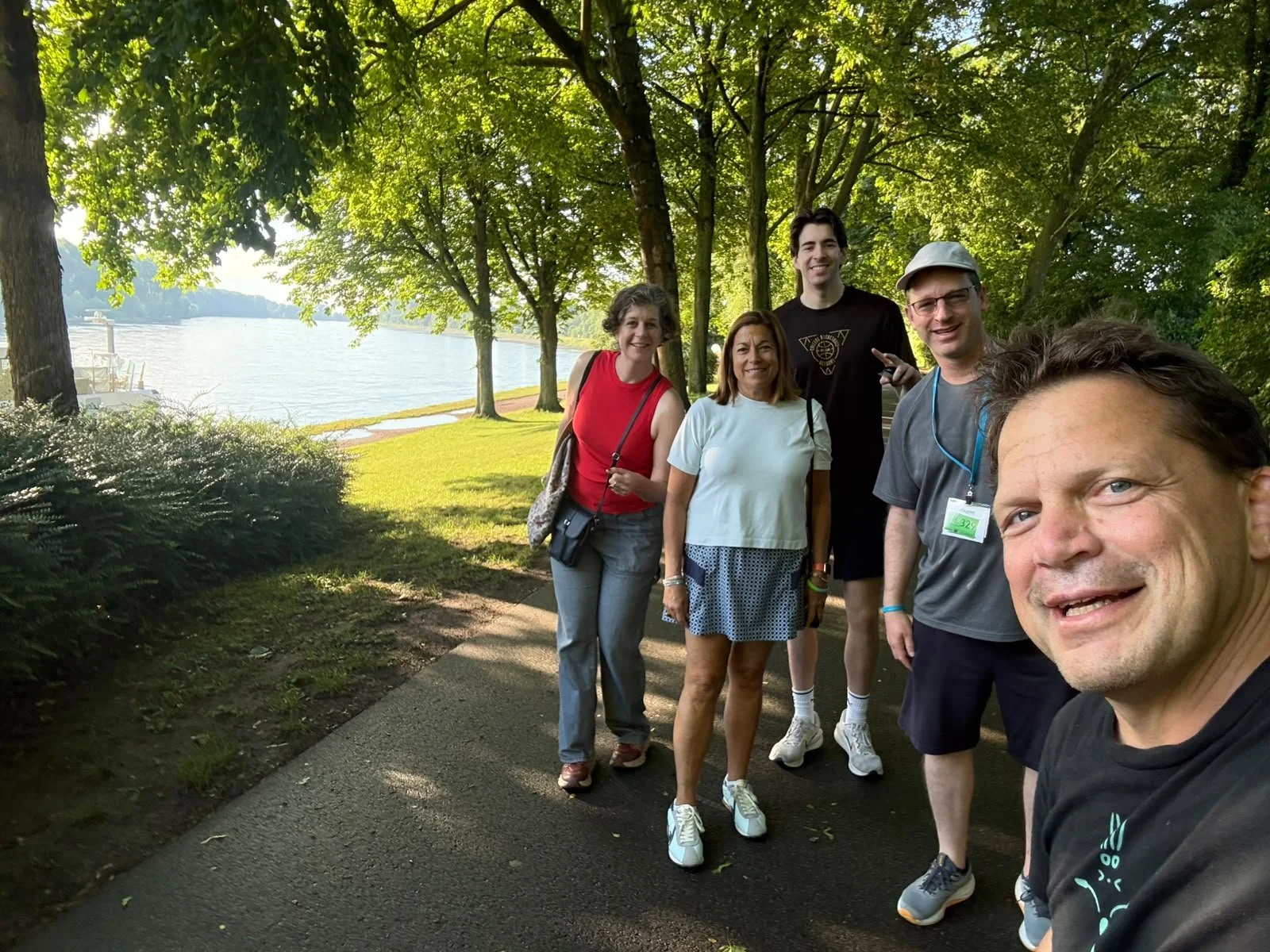
Each day we docked in a different Rhine town, where our guests split into groups. Each guide (there were four of us) led a walking tour with a particular focus on Jewish heritage. Back on board, Professor Stephen Berk of Union College delivered lectures on German history, while Dr. David Mendelsohn explored the development of Judaism in both the Islamic and Christian worlds.

Heinrich Heine’s Düsseldorf
Our journey began in Düsseldorf, where we visited the birthplace of the German-Jewish poet Heinrich Heine. Today it houses a bookstore and literary center, a fitting tribute to one of Germany's greatest writers. Born in 1797, Heine grew up during the Napoleonic era, when the Rhineland was under French rule, and Jews briefly enjoyed equal civil rights before many of those gains were reversed after Napoleon's defeat.
We wandered through the Altstadt, learned about Carnival traditions, Düsseldorf's famous mustard, and its centuries-old rivalry with the neighboring city of Cologne, our next stop.
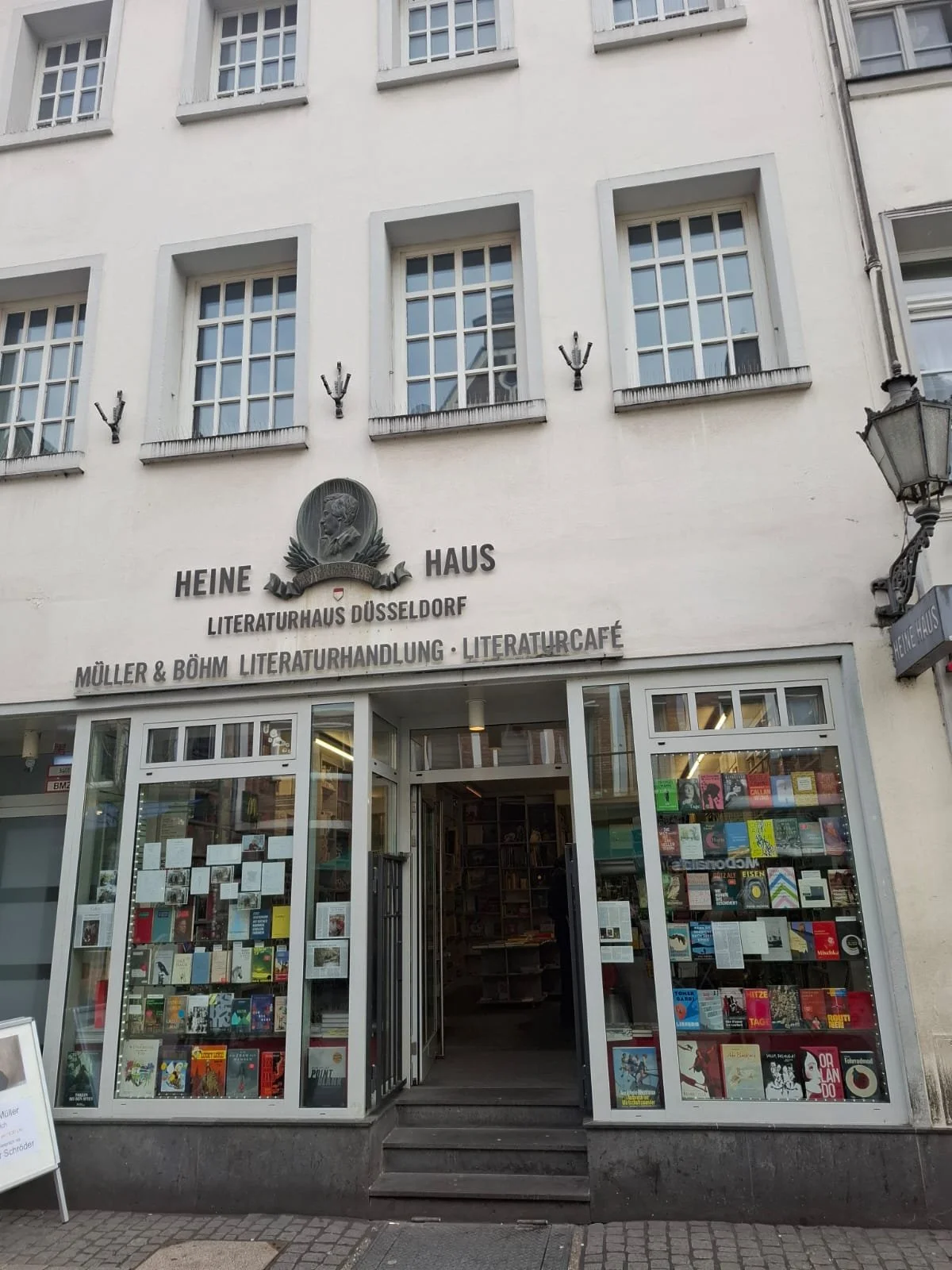
Heinrich Heine’s birth house is now, a bookstore and literary hub in his honor.
The invisible past
Cologne was home to one of the oldest documented Jewish communities north of the Alps, dating back to 321 CE. Yet little of that history is visible today, while the archaeological quarter remains under construction. This is where a guide's stories come in handy.
However, Cologne Cathedral also tells a remarkable Jewish story. In 1880, the Jewish banking family Oppenheim donated the Solomon Window stained-glass window to celebrate Simon and Henriette von Oppenheim's golden wedding anniversary. It stands as a reminder that, by the late nineteenth century, many Jewish families were deeply integrated into Cologne's cultural and civic life—a world that would be shattered just decades later.
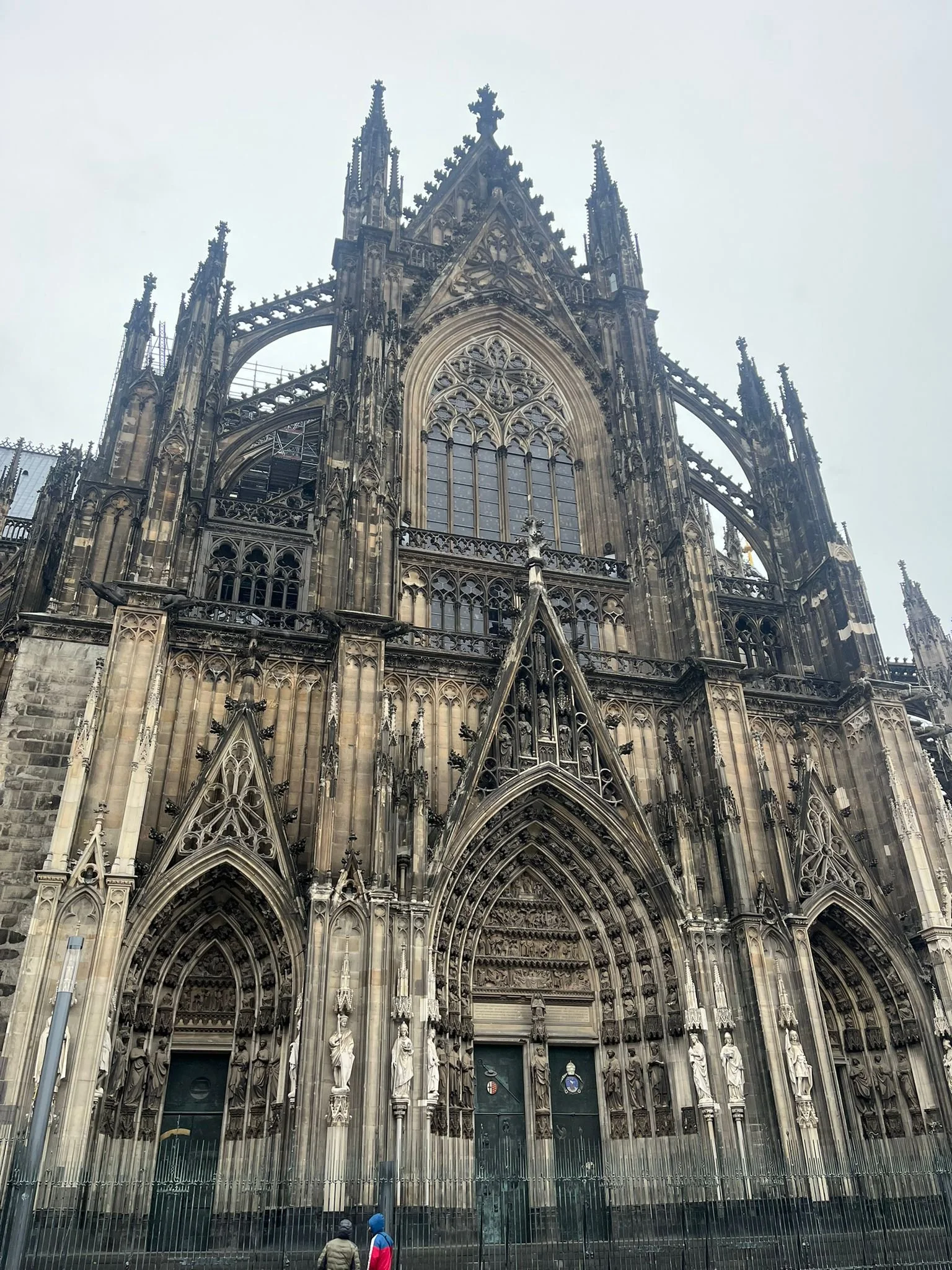
A visit to Cologne’s spectacular cathedral
The cradle of Ashkenazi Judaism
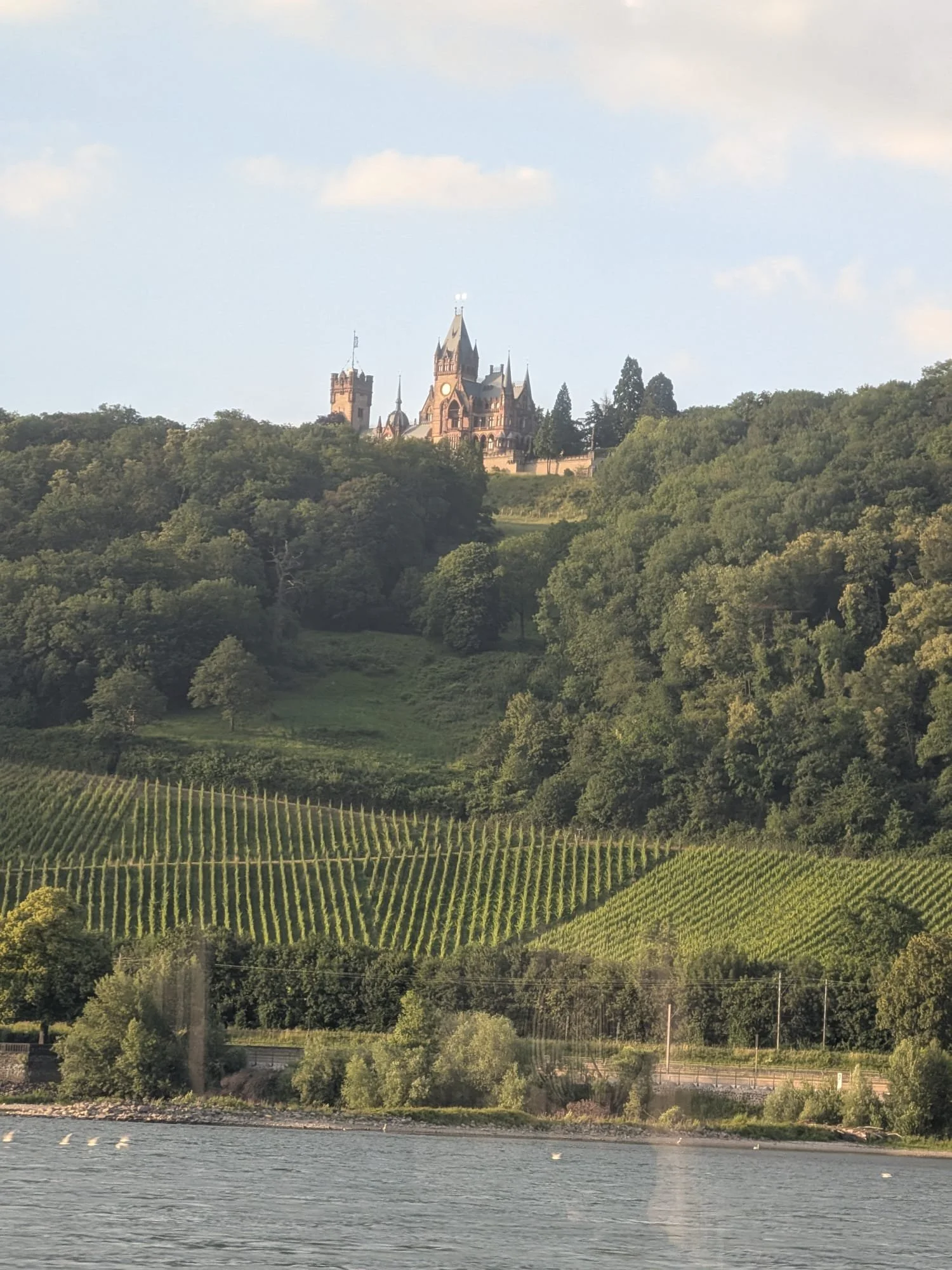
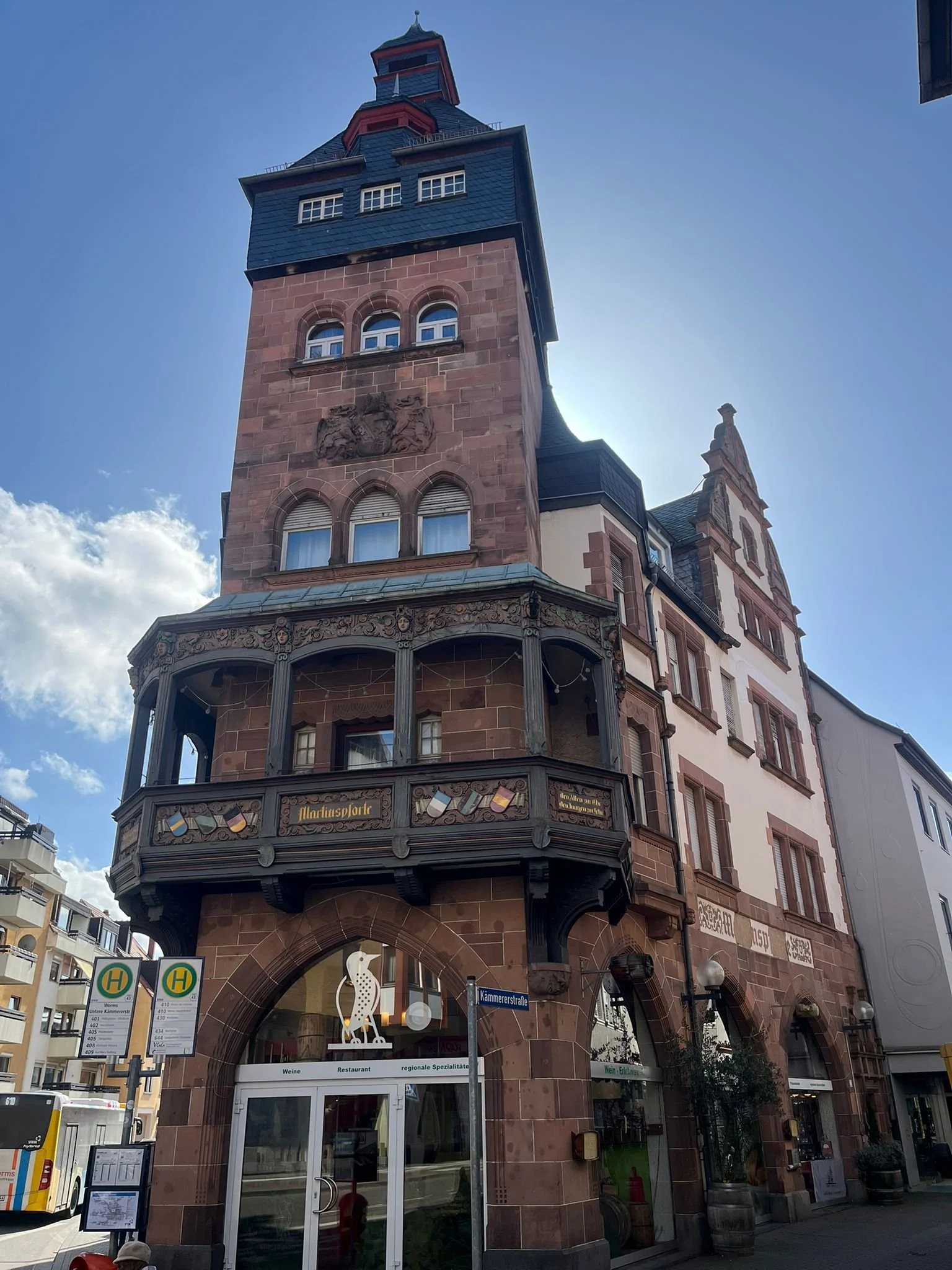
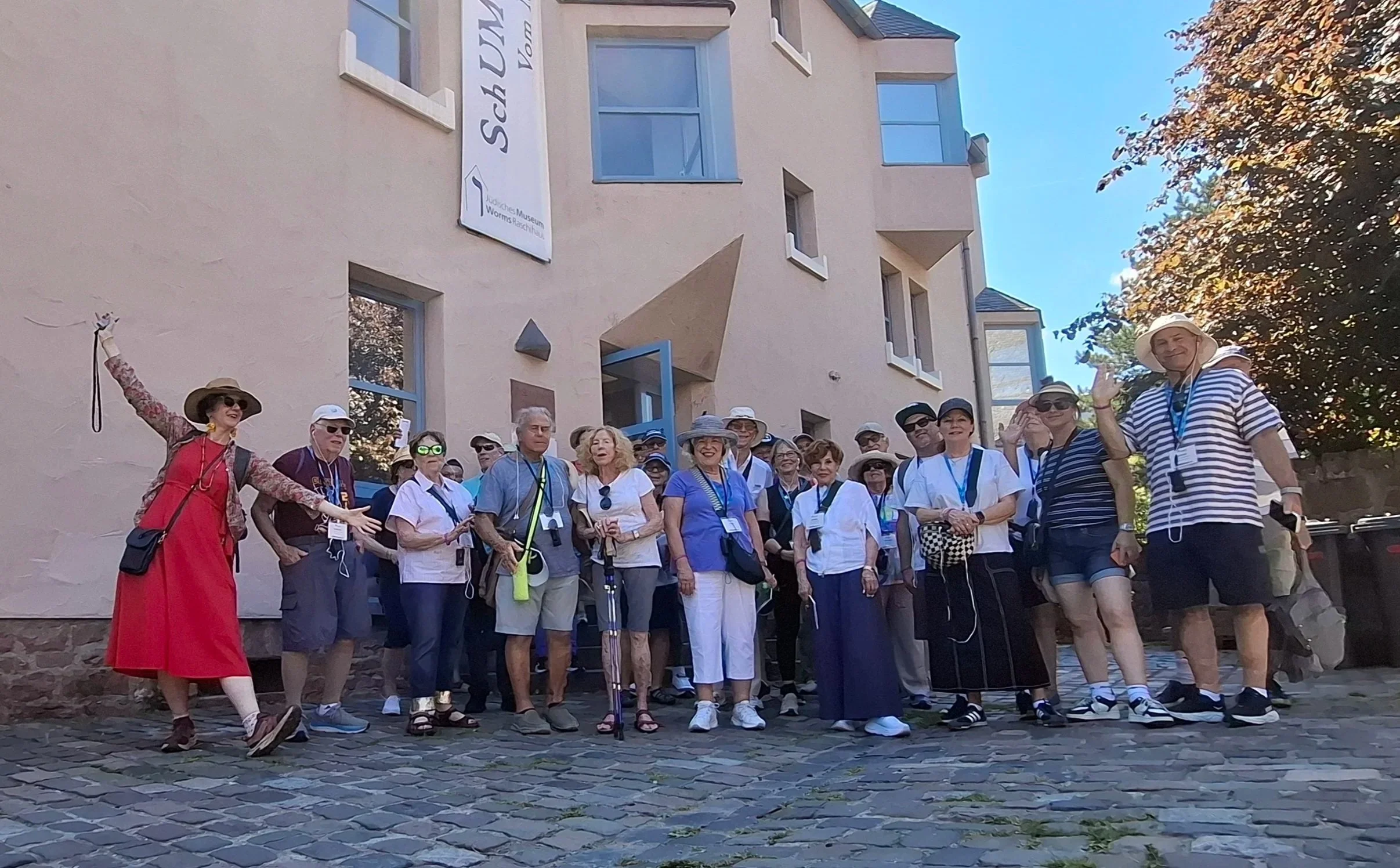
For me, the Rhine is more than a river of castles and vineyards. It is also the cradle of Ashkenazi Judaism. The medieval communities of Speyer, Worms, and Mainz—known as the SHUM cities, an acronym formed from their medieval Hebrew names, Shpira, Warmaisa, and Magenza (and, coincidentally, also the Hebrew word for garlic)—became the intellectual and religious heart of Ashkenazi Judaism.
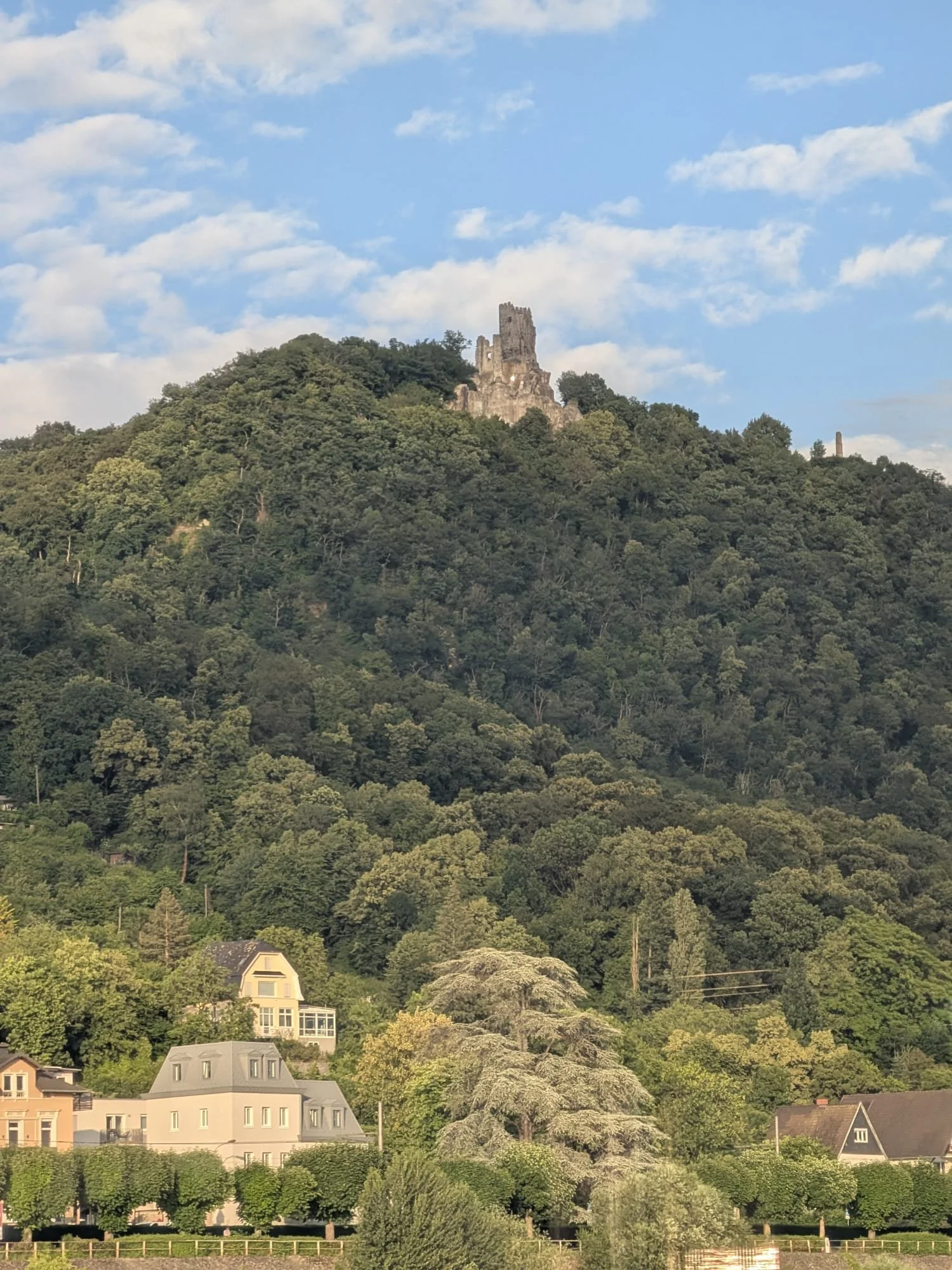

Many of the customs, legal traditions, and liturgy still followed today were developed here. Their remarkable achievements were repeatedly overshadowed by persecution, from the massacres of the First Crusade in 1096 to the expulsions that followed the Black Death, eventually driving many Ashkenazi Jews east to the Polish-Lithuanian Commonwealth.
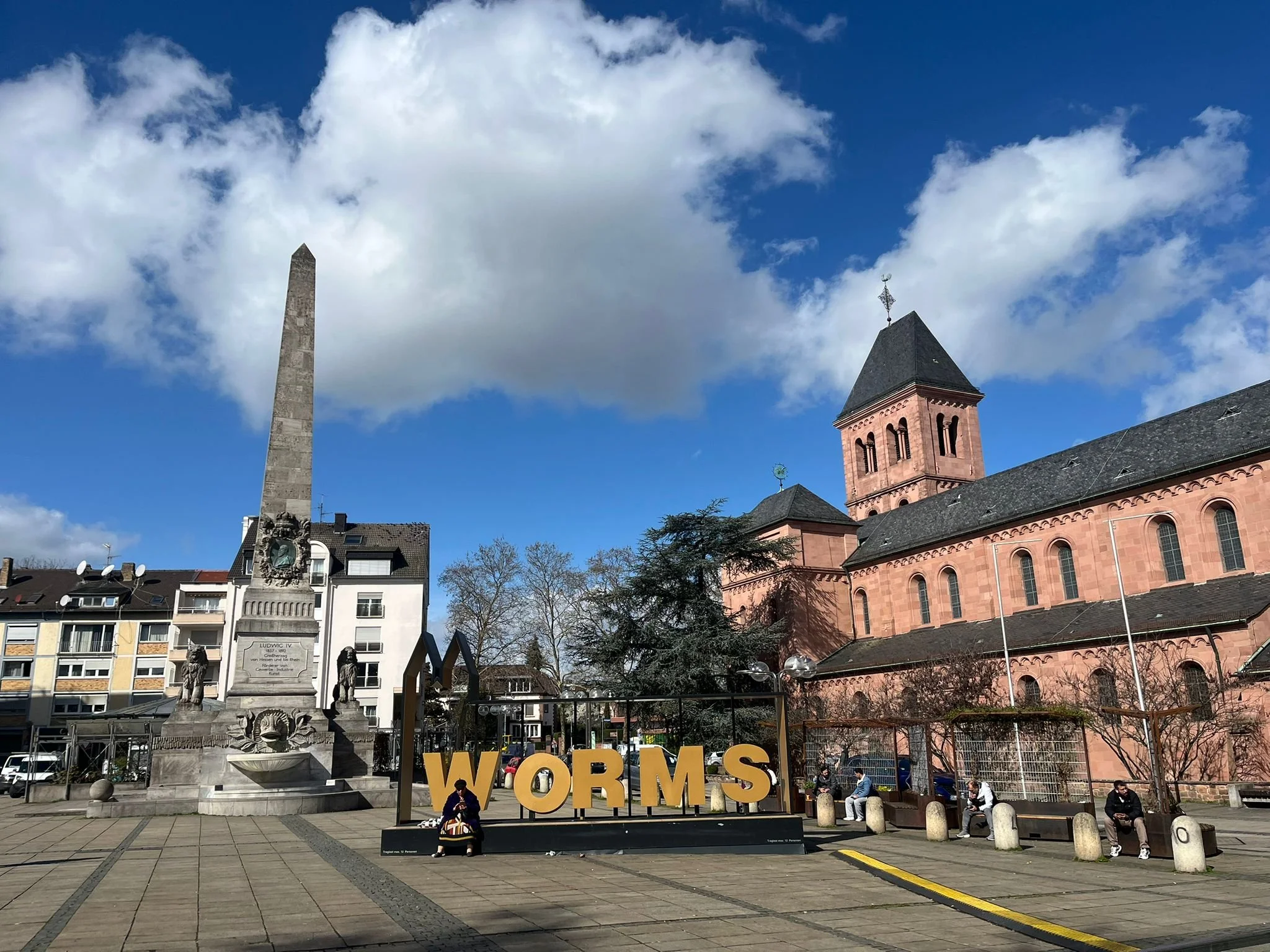
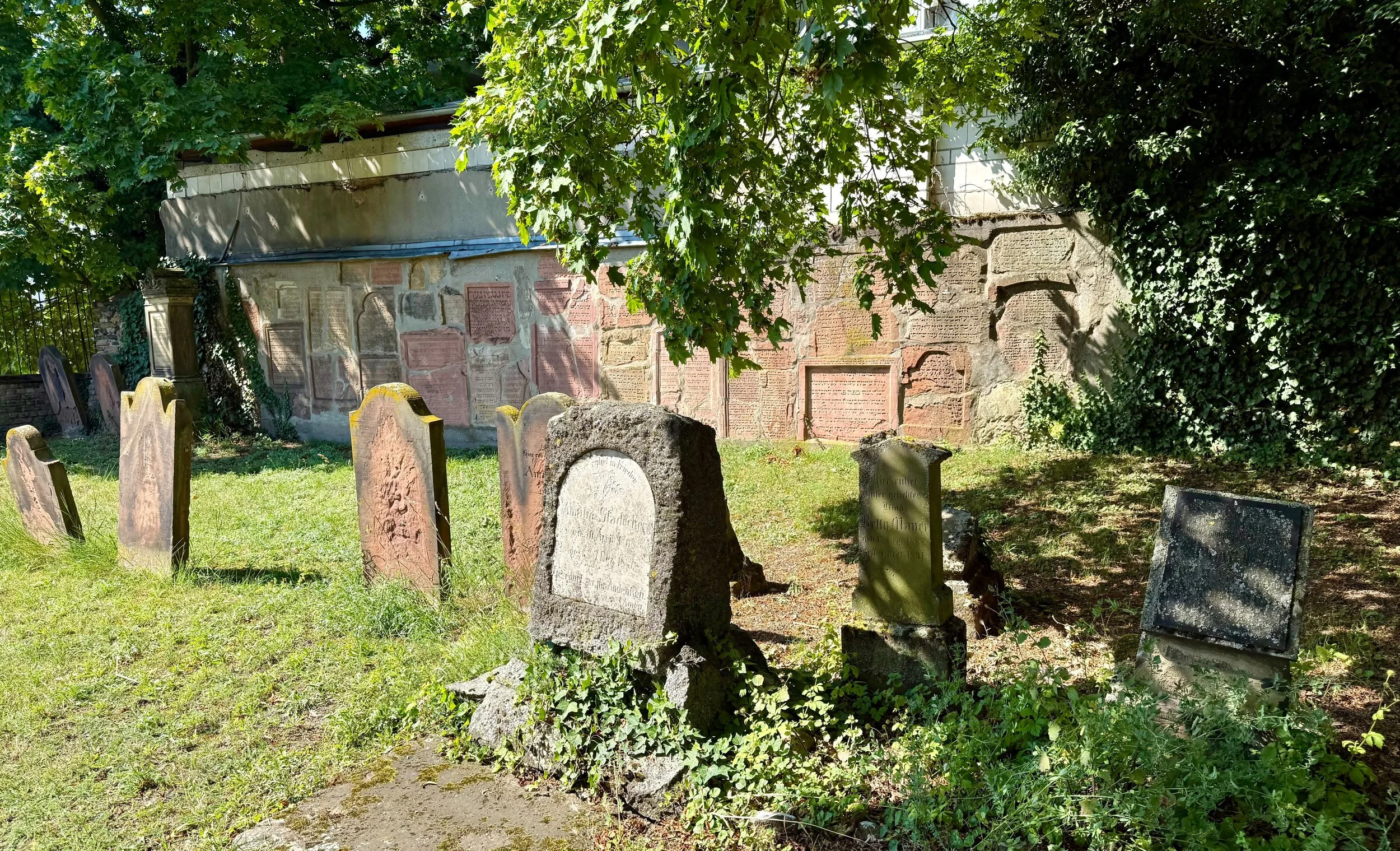
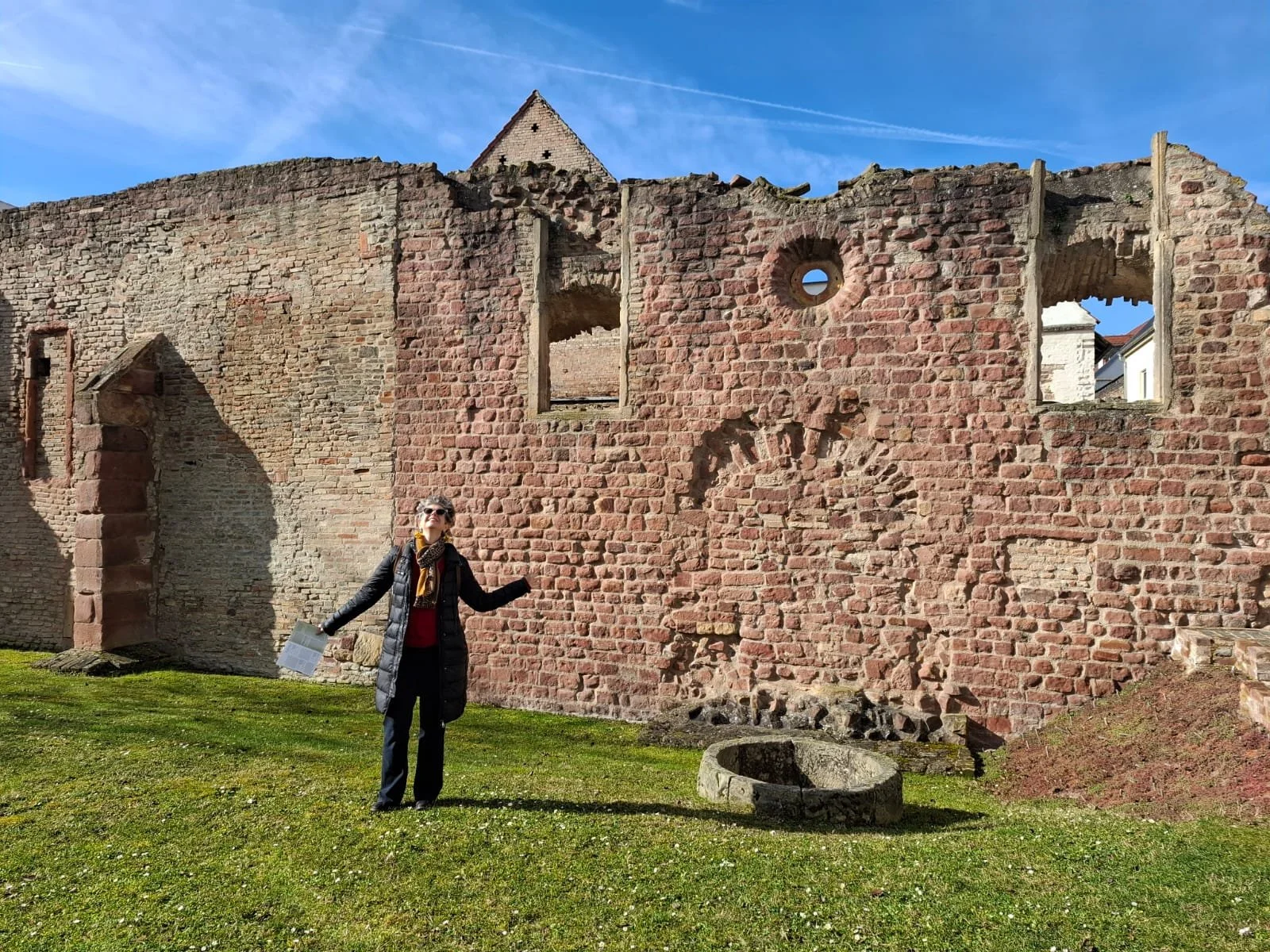
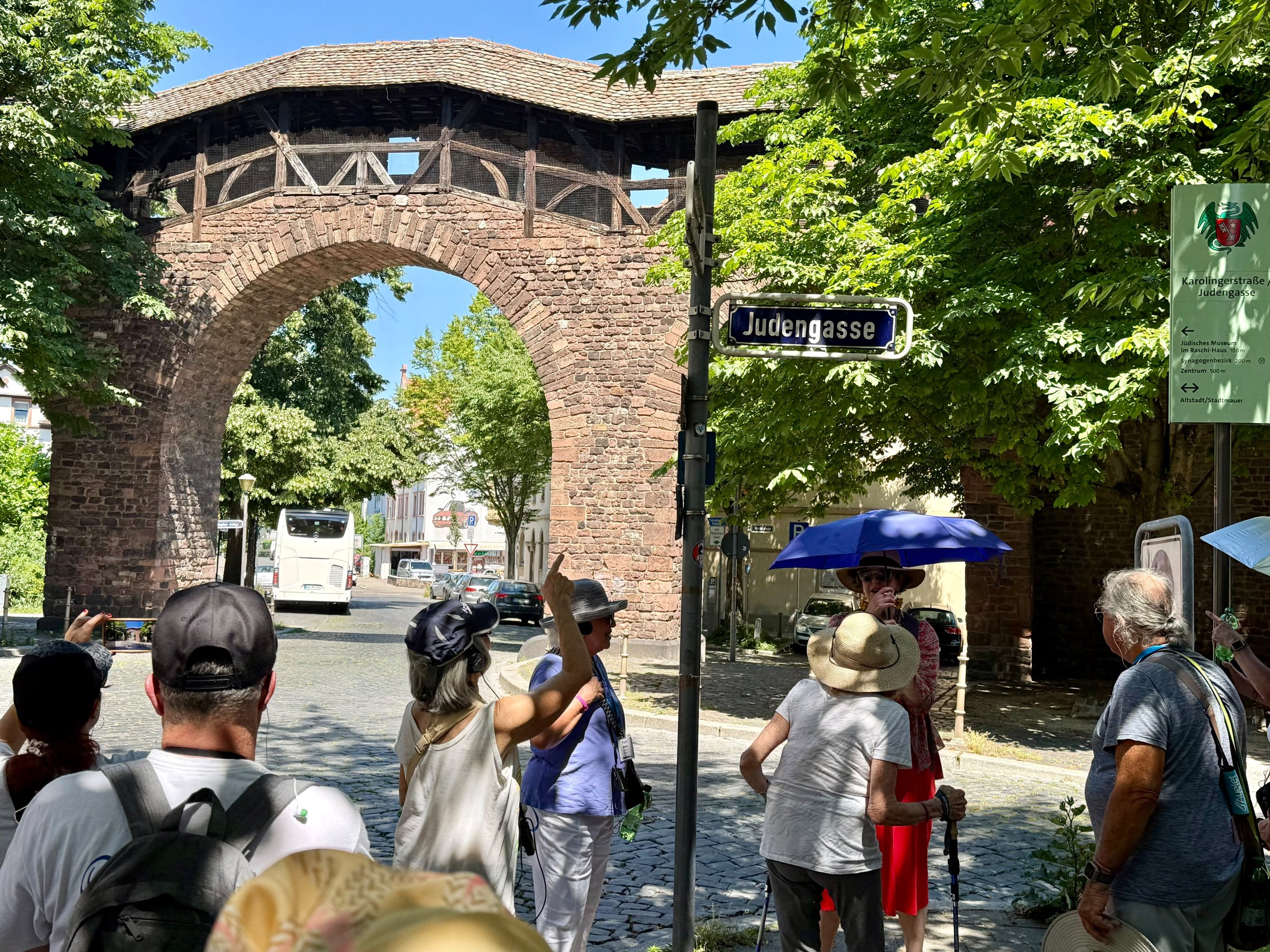
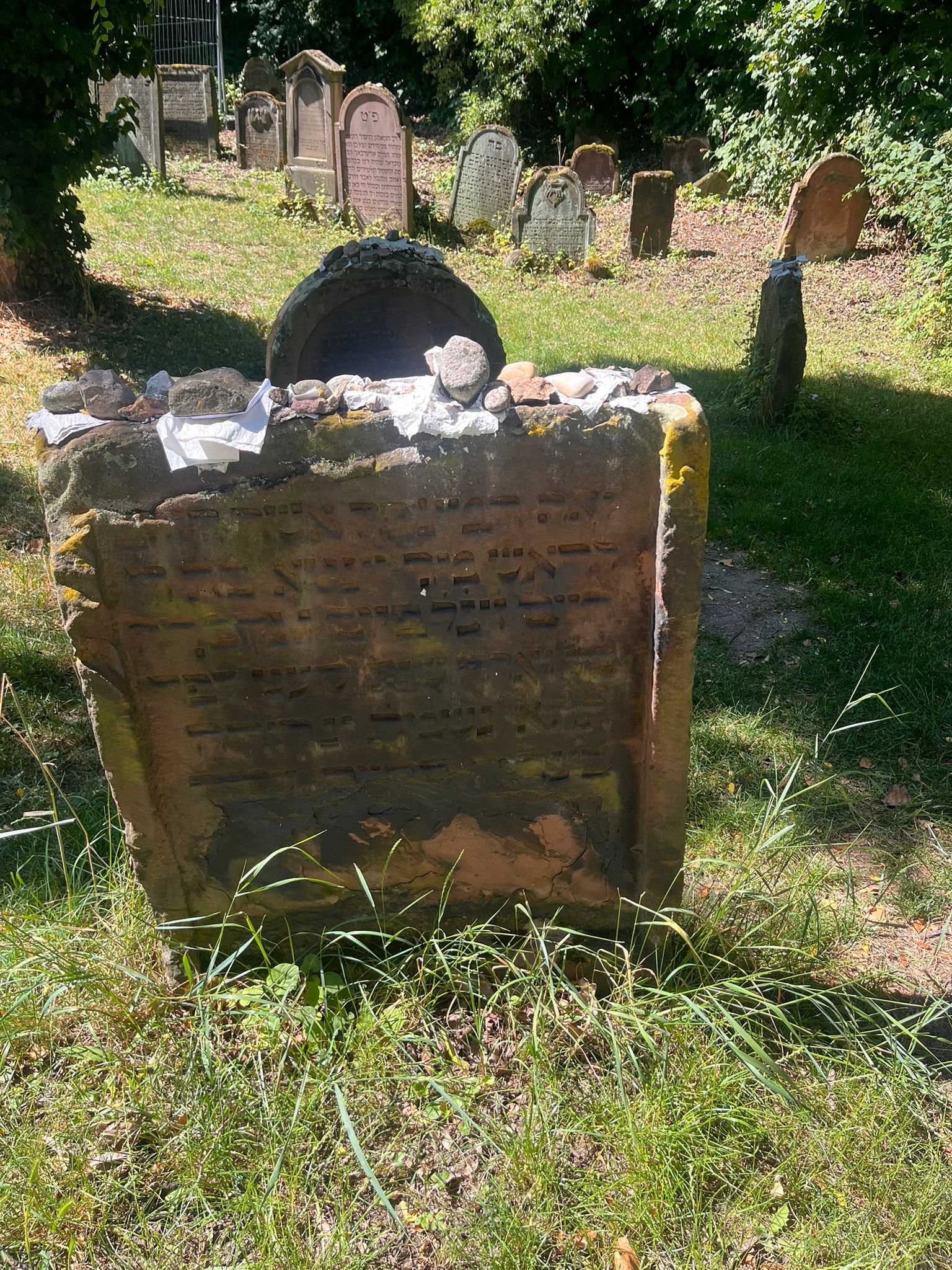
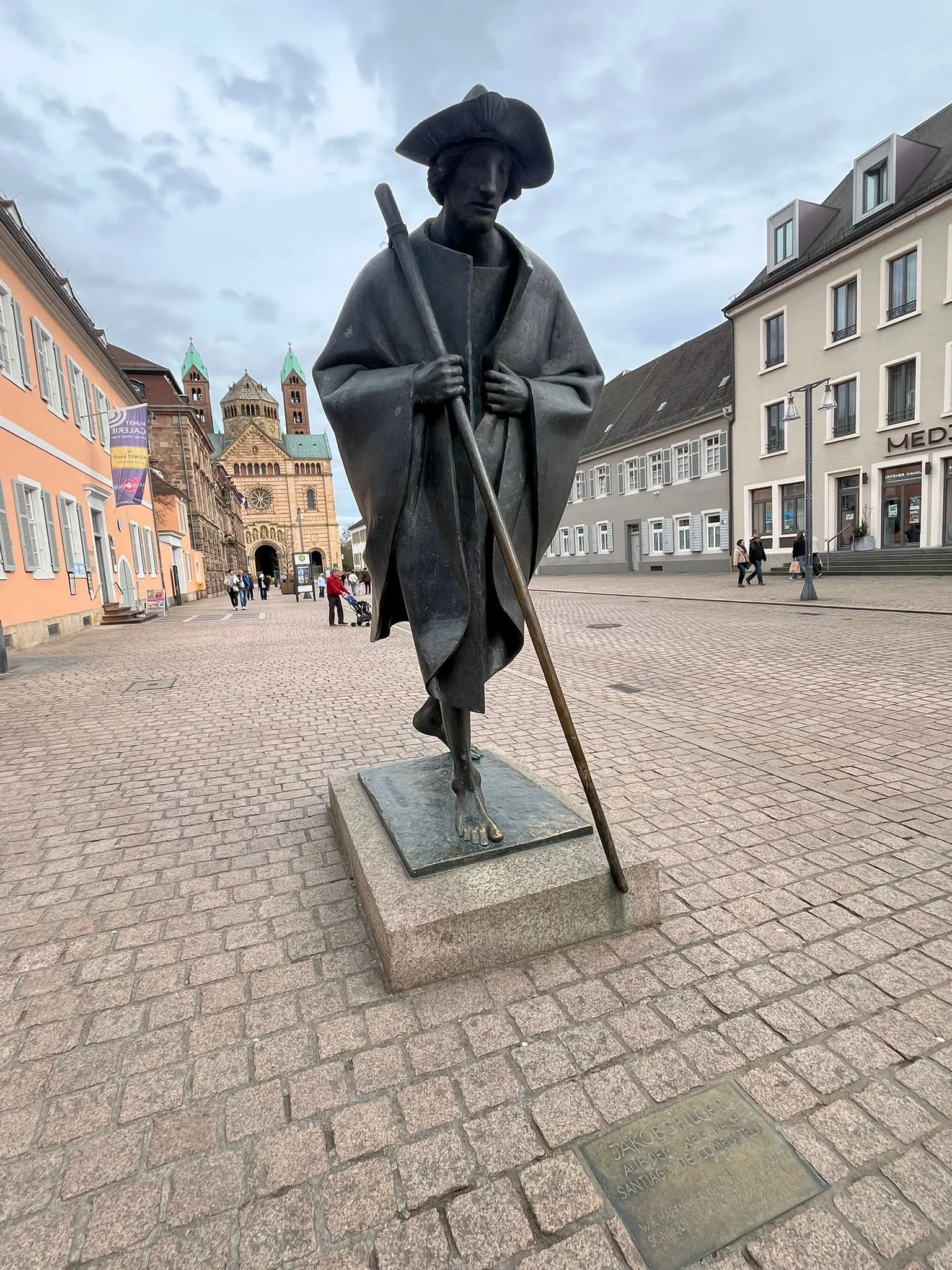
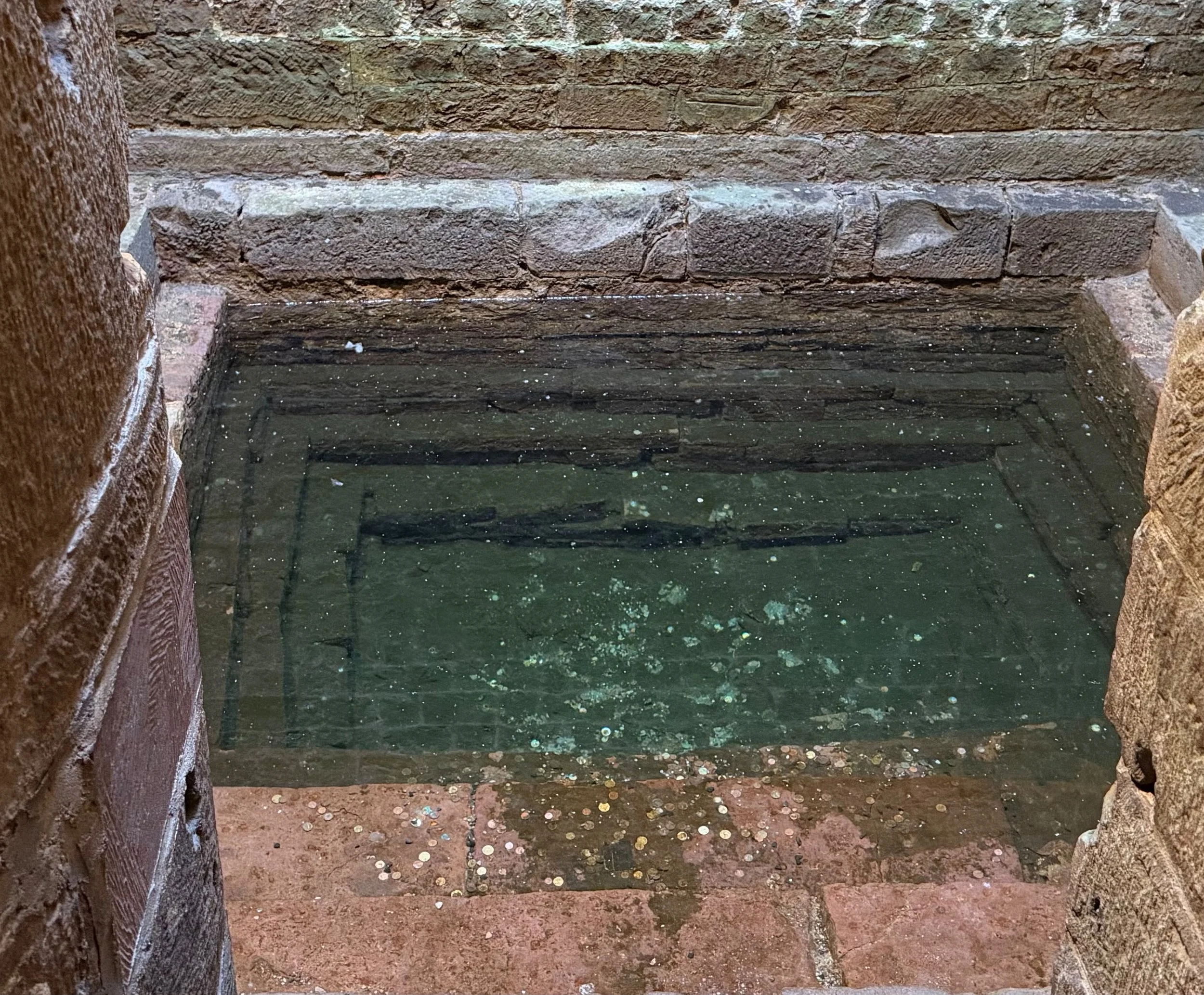
Recognized as a UNESCO World Heritage Site in 2021, the SHUM cities preserve some of Europe's most important Jewish heritage. In Worms, we visited the Holy Sand, one of the oldest preserved Jewish cemeteries in Europe, and the historic synagogue. In Worms, Rashi, the great medieval commentator on the Bible and Talmud, studied before becoming one of Judaism's most influential scholars. In Speyer, we visited one of the oldest surviving medieval mikvehs north of the Alps.
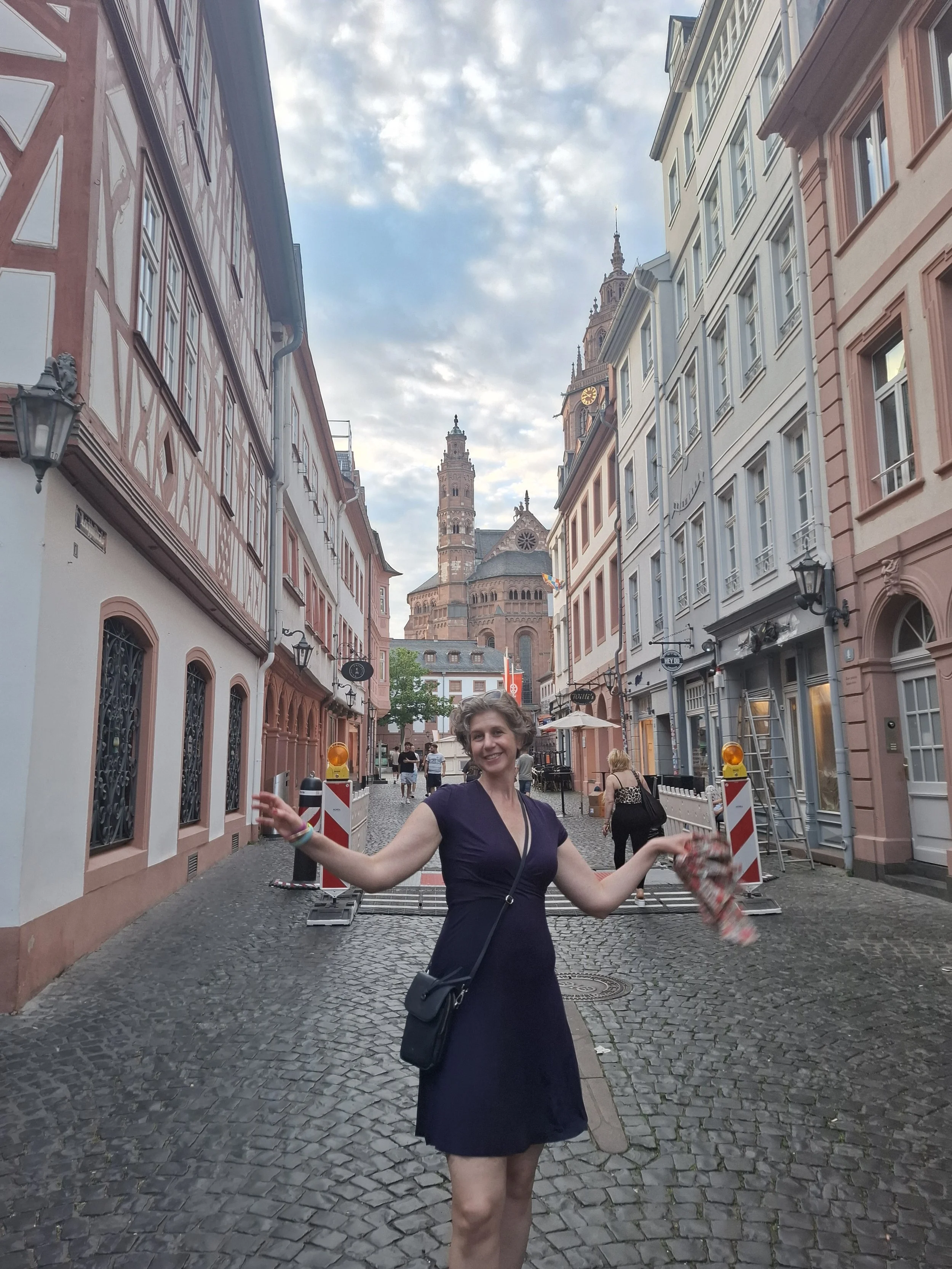
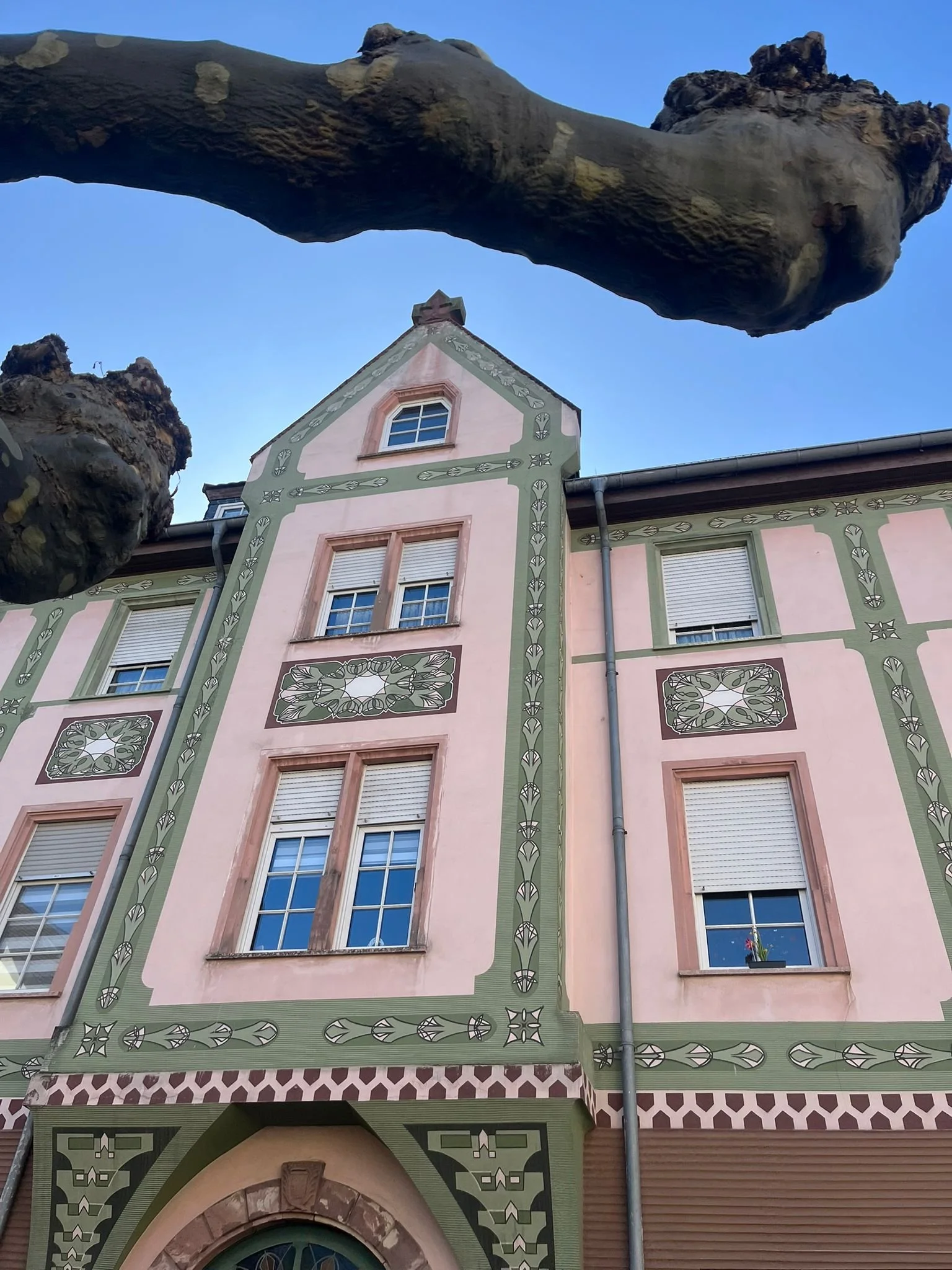
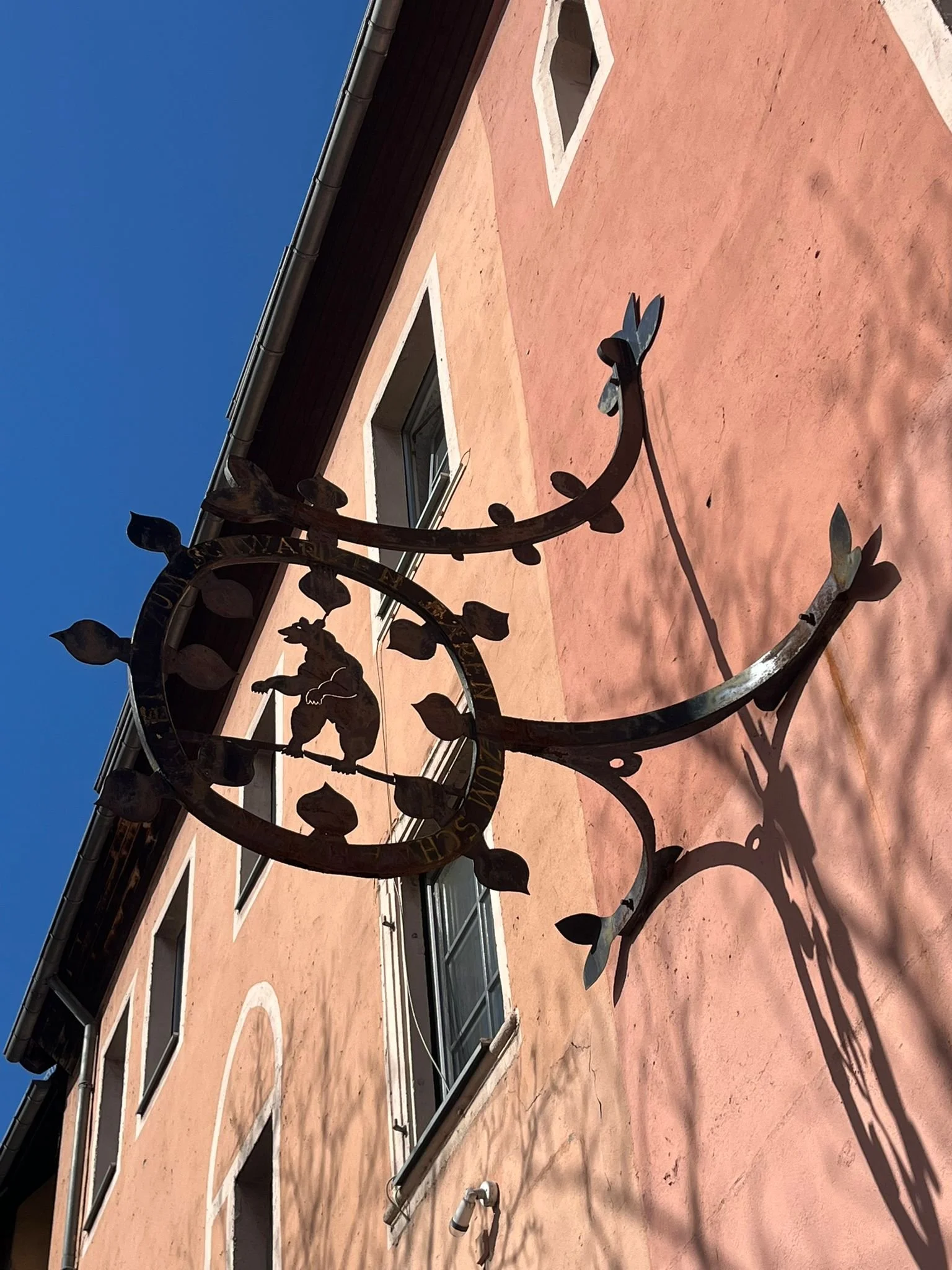
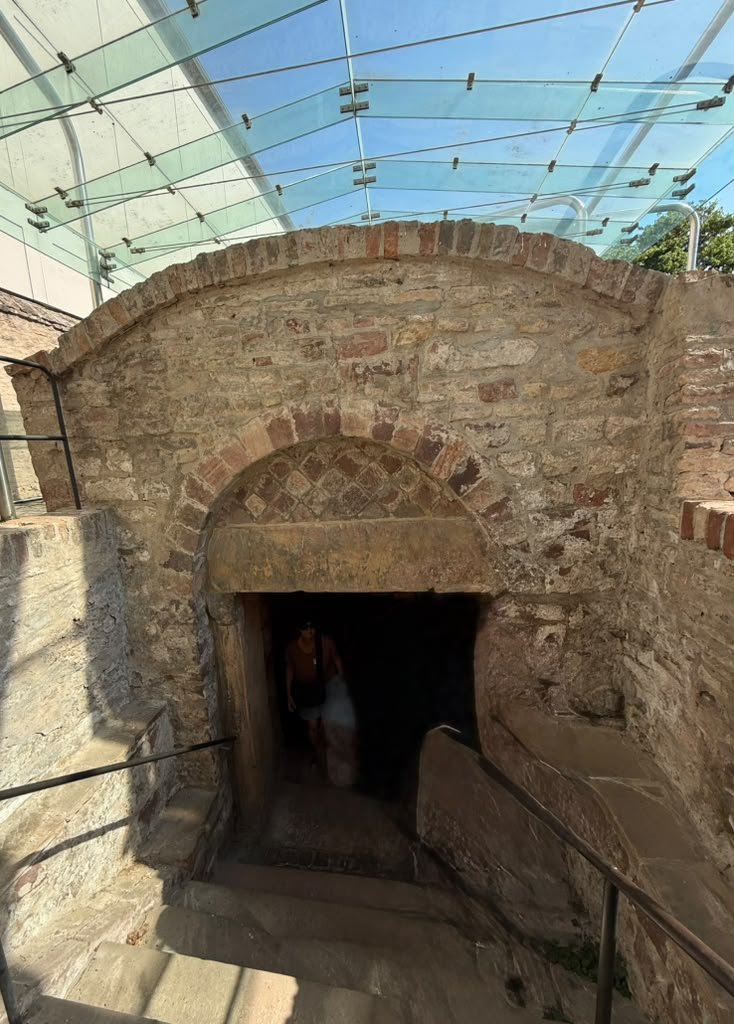
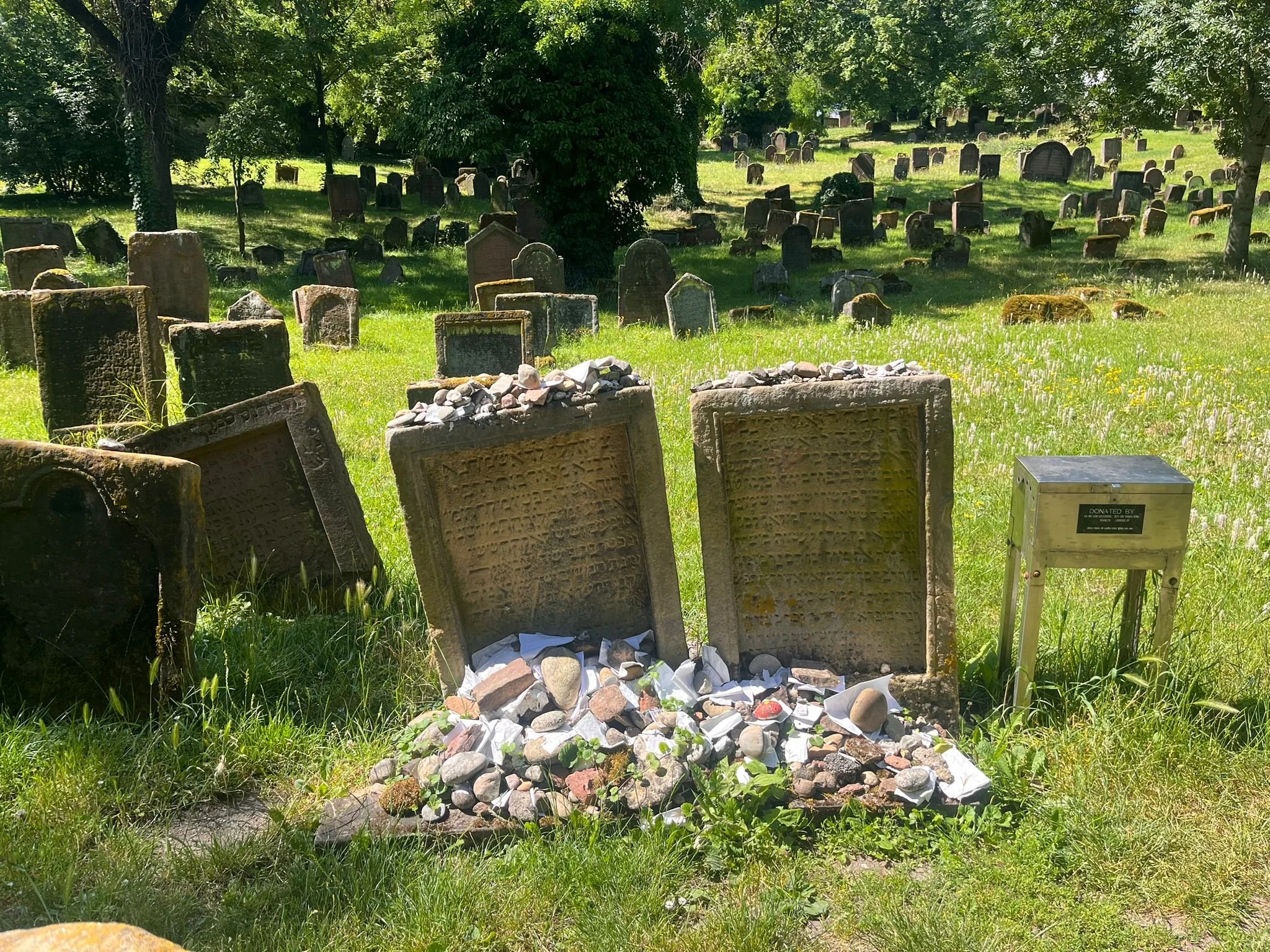
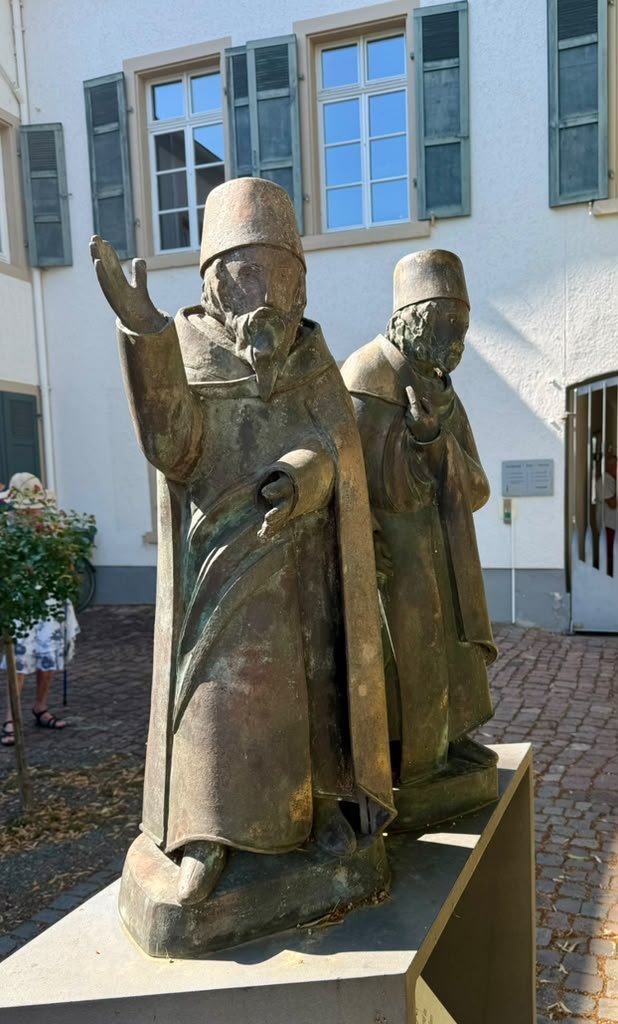
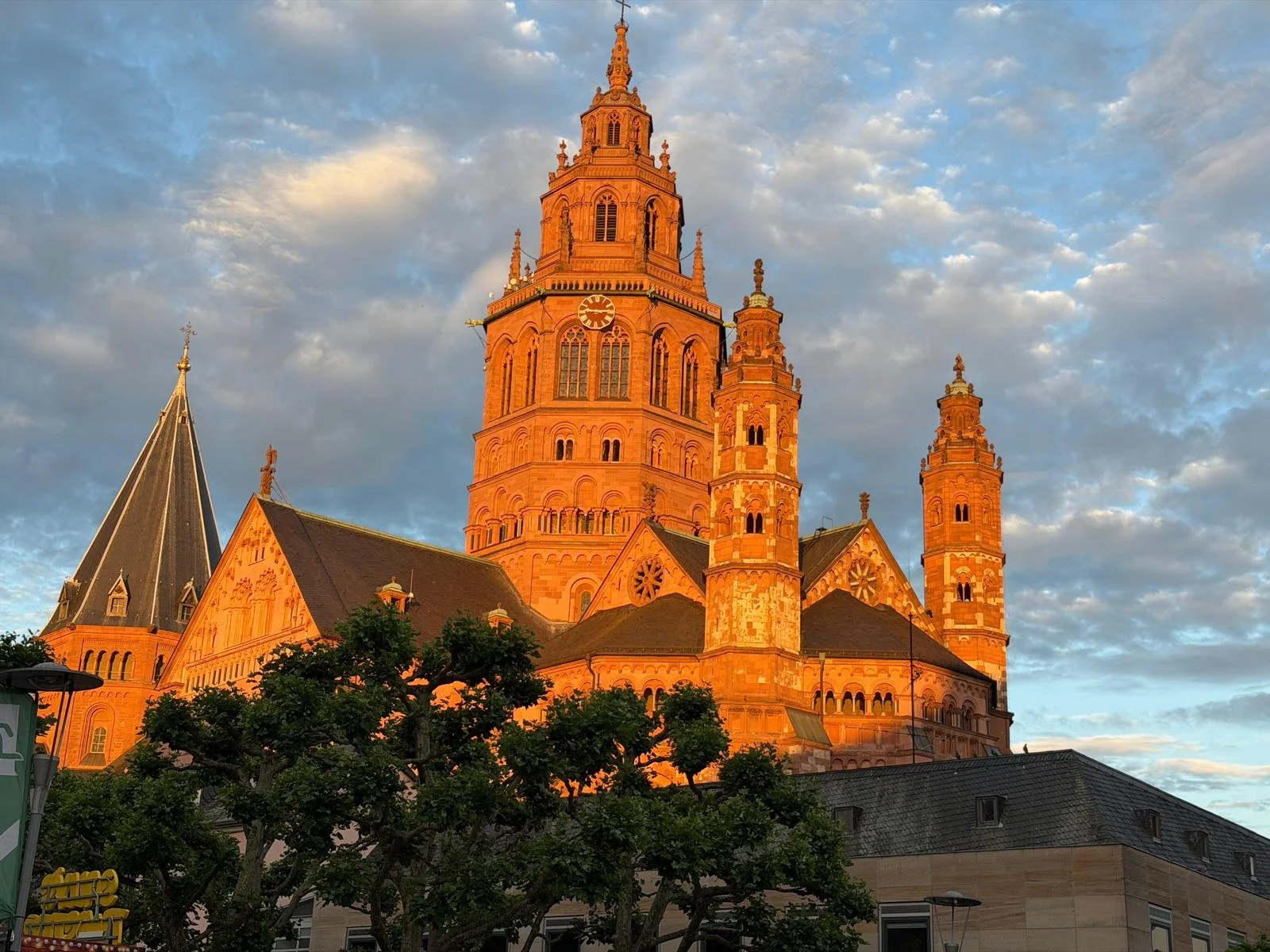
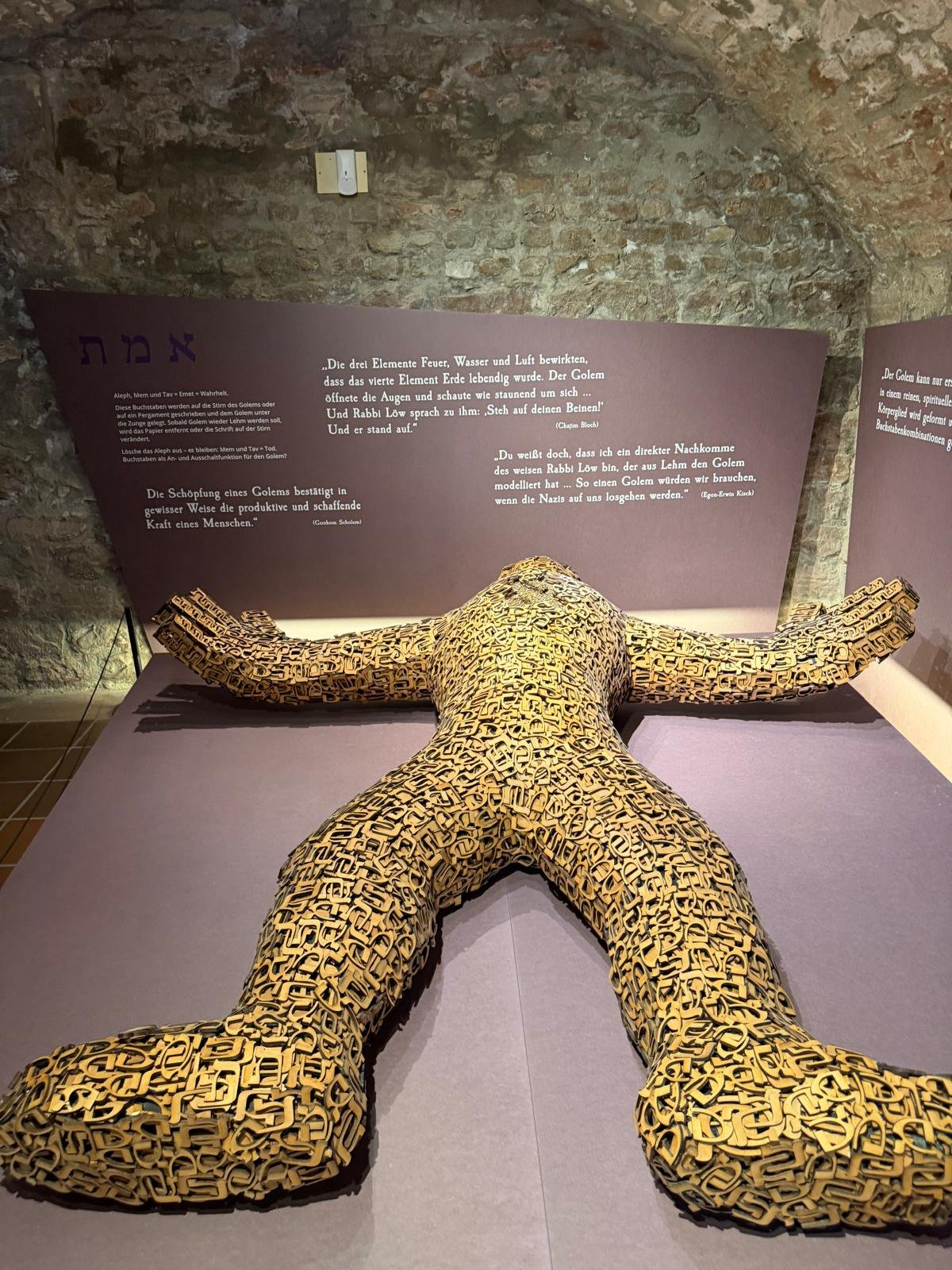
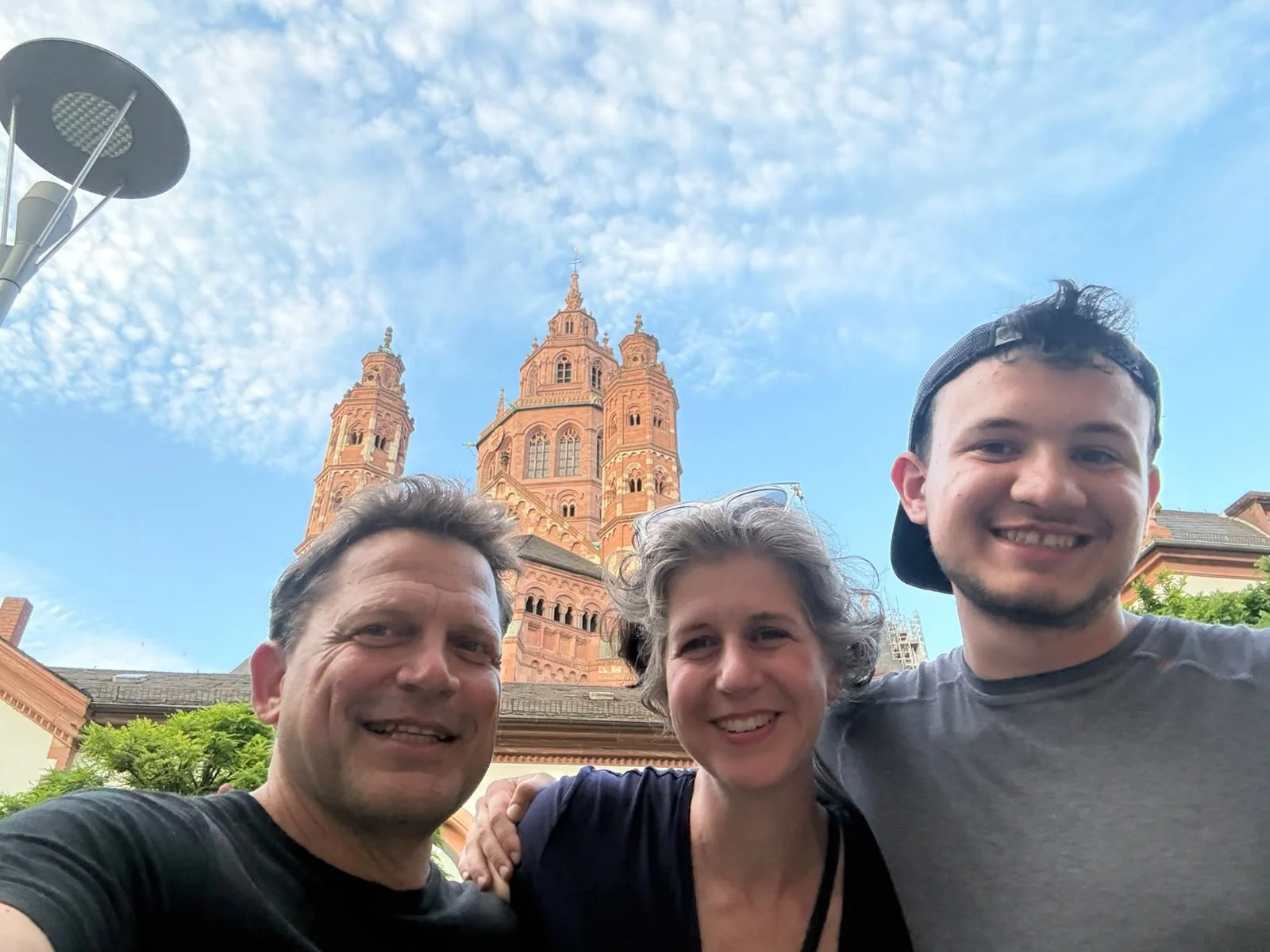
Mainz retains fewer visible reminders of its medieval Jewish past, but its modern synagogue is among the most remarkable I have visited. Designed by Manuel Herz, it honors Rabbeinu Gershom, known as Meor HaGolah ("Light of the Exile"), whose rulings banning polygamy and requiring a wife's consent to divorce profoundly shaped Ashkenazi Jewish life. The building itself is inspired by the Hebrew word Kedushah ("holiness"), with Hebrew letters woven into both the exterior and the stunning prayer hall.
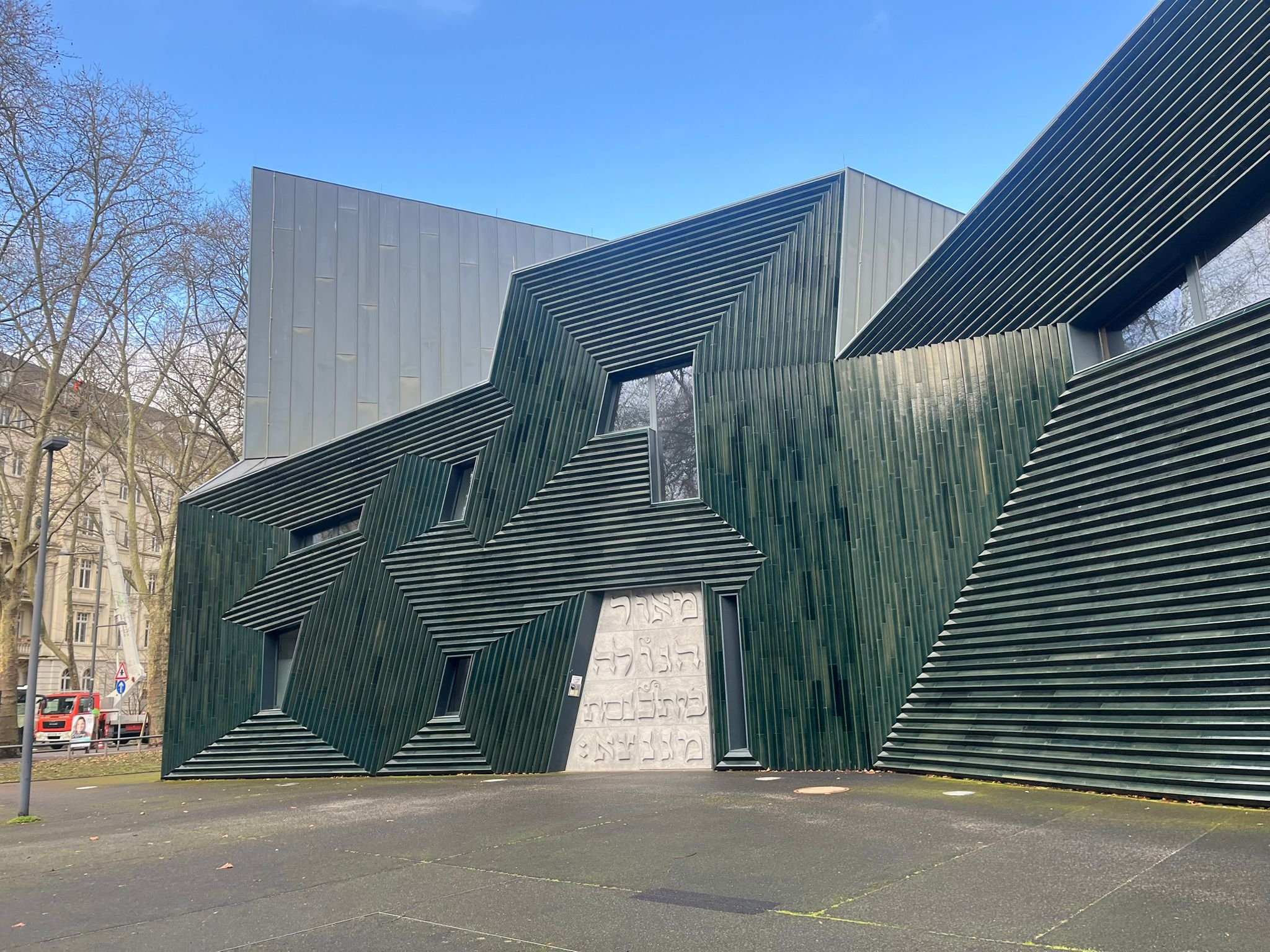
The stunning New Synagogue in Mainz.
Heidelberg: My favorite stop
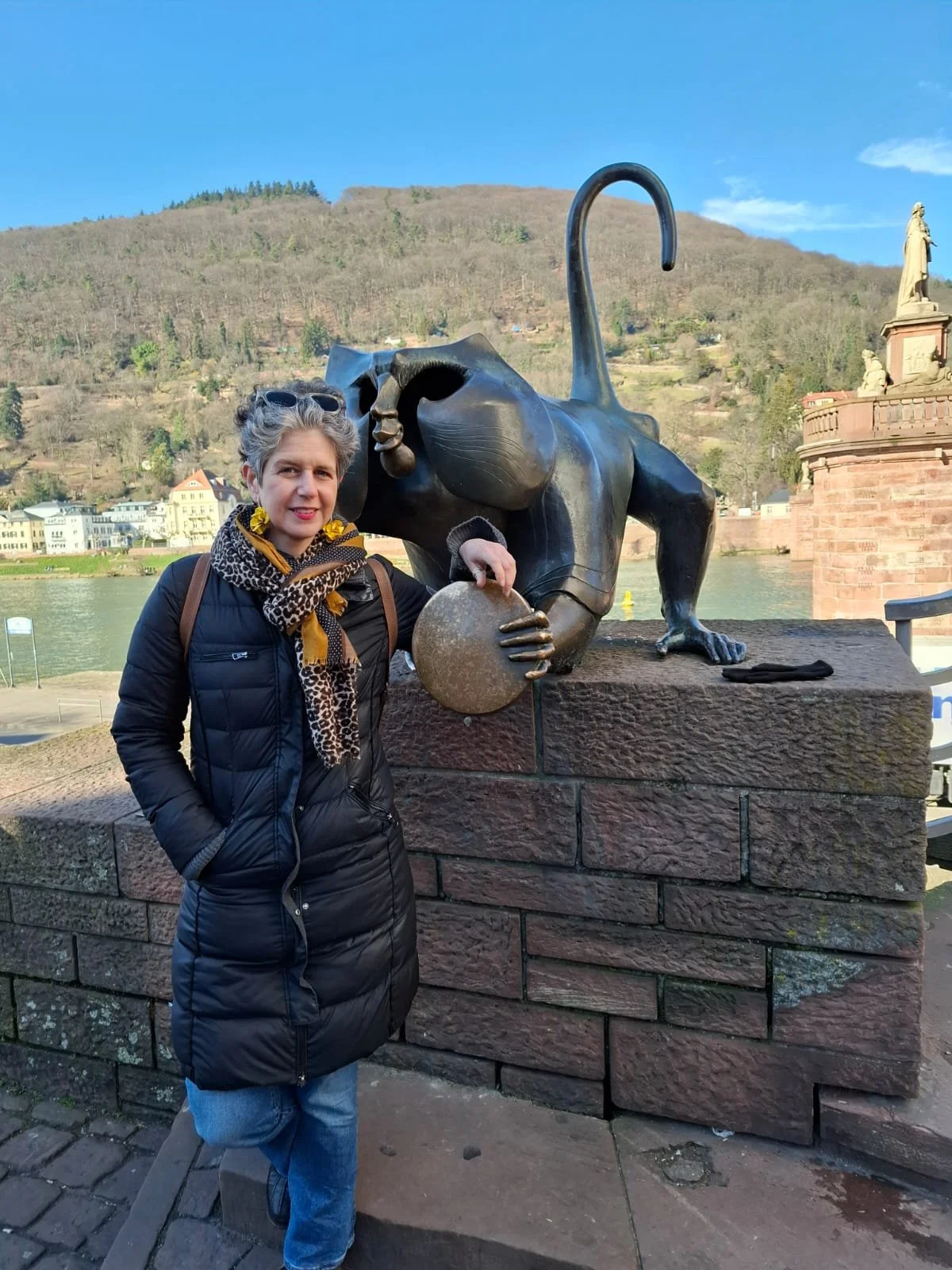
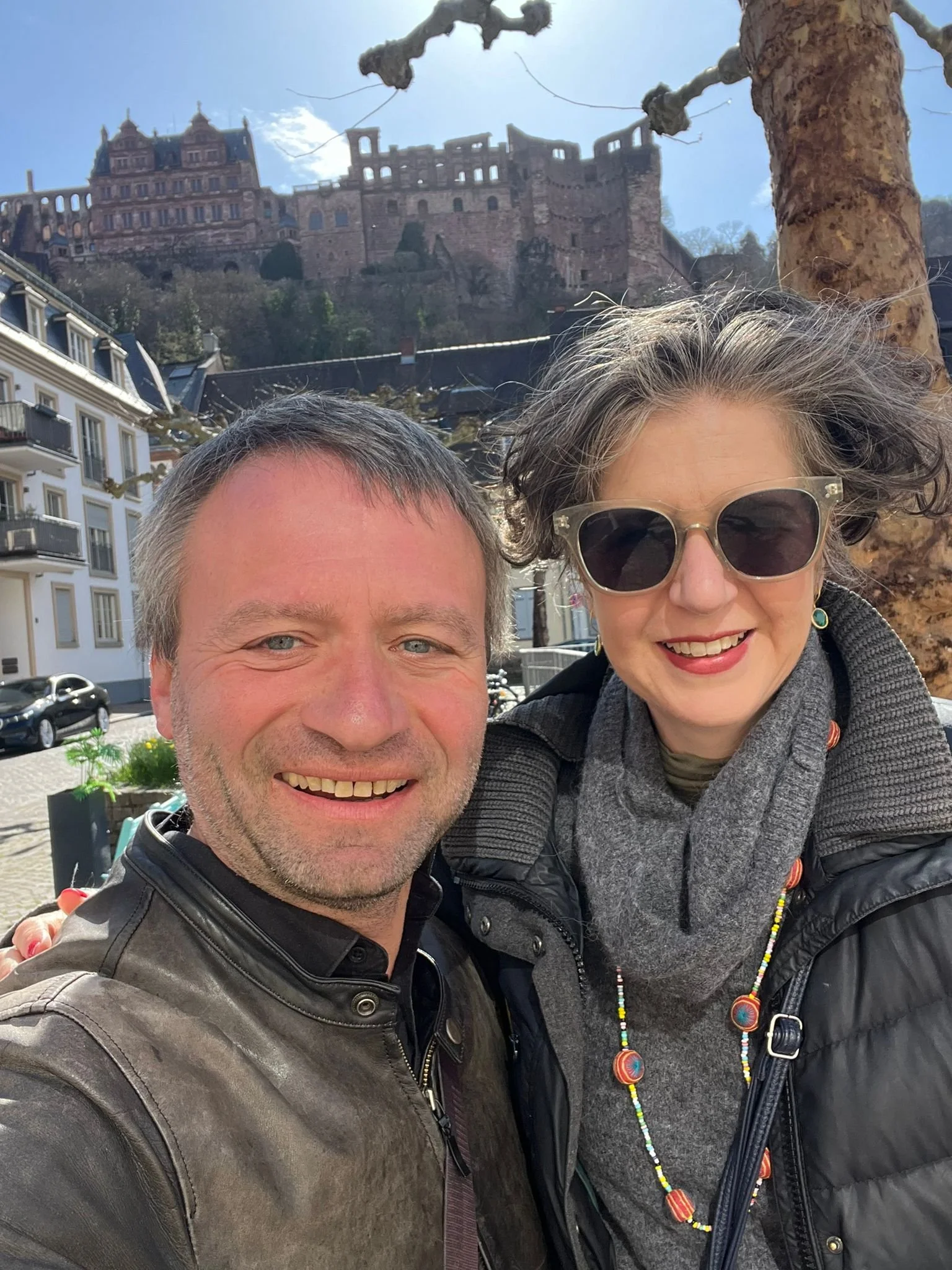
My favorite stop was Heidelberg. With its castle ruins, the Old Bridge, and beautifully preserved old town, it is one of Germany's most picturesque cities. Largely spared wartime destruction, it later became the headquarters of the U.S. Army in Europe. Outside Germany's oldest university stands a memorial to the Nazi book burnings—a sobering reminder that even centers of learning were not immune to fanaticism.
A moving finale in Basel
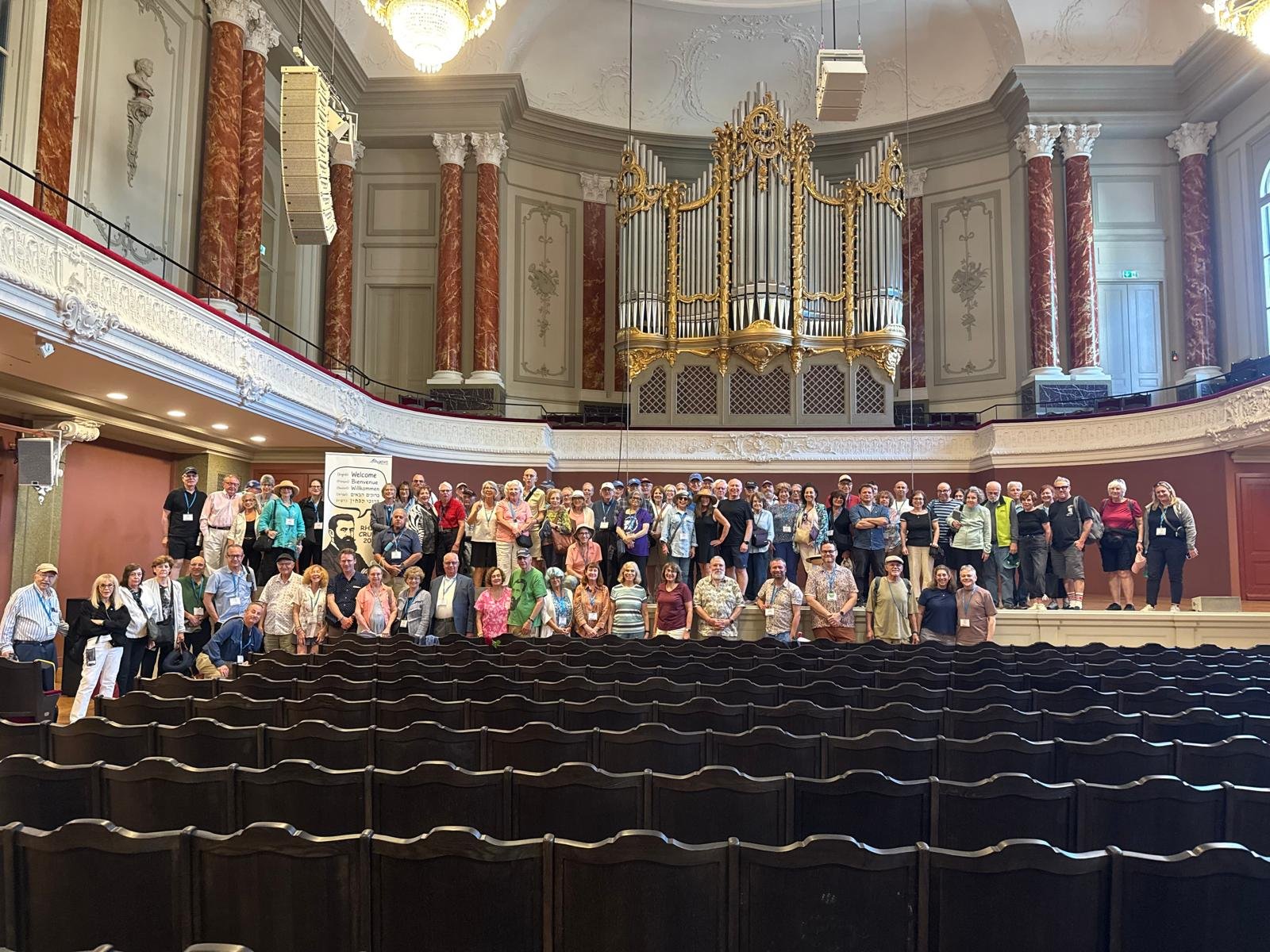
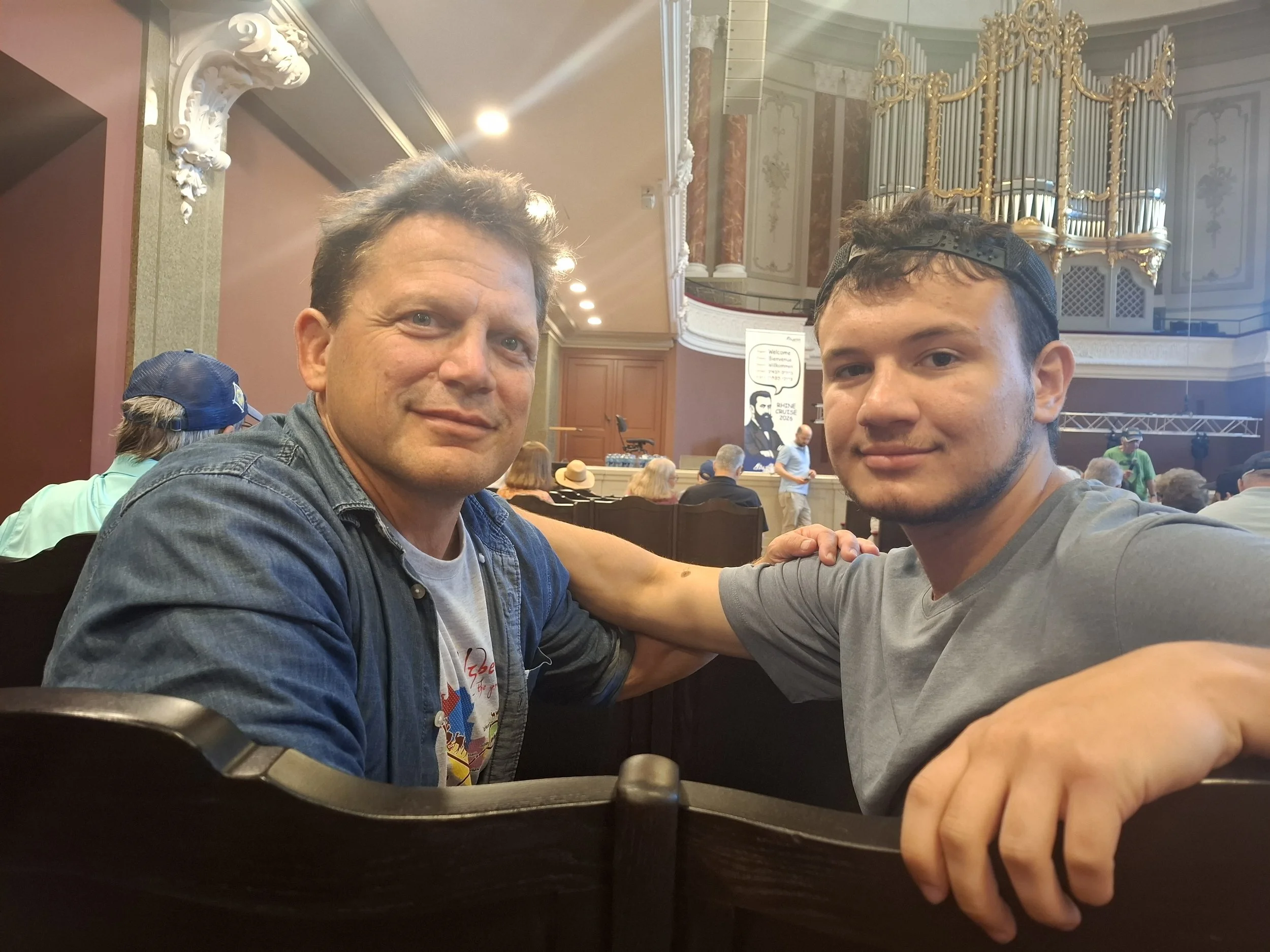
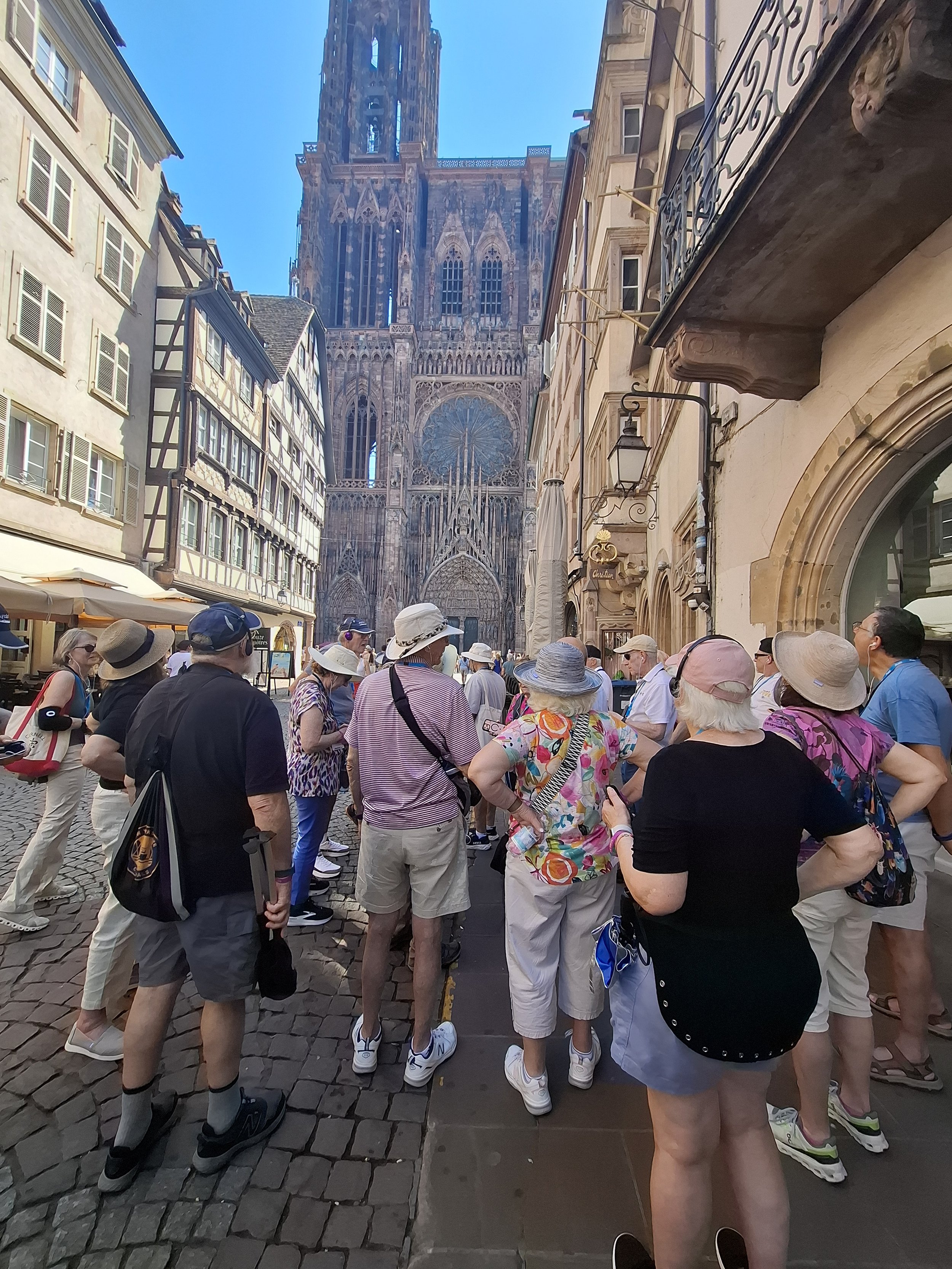
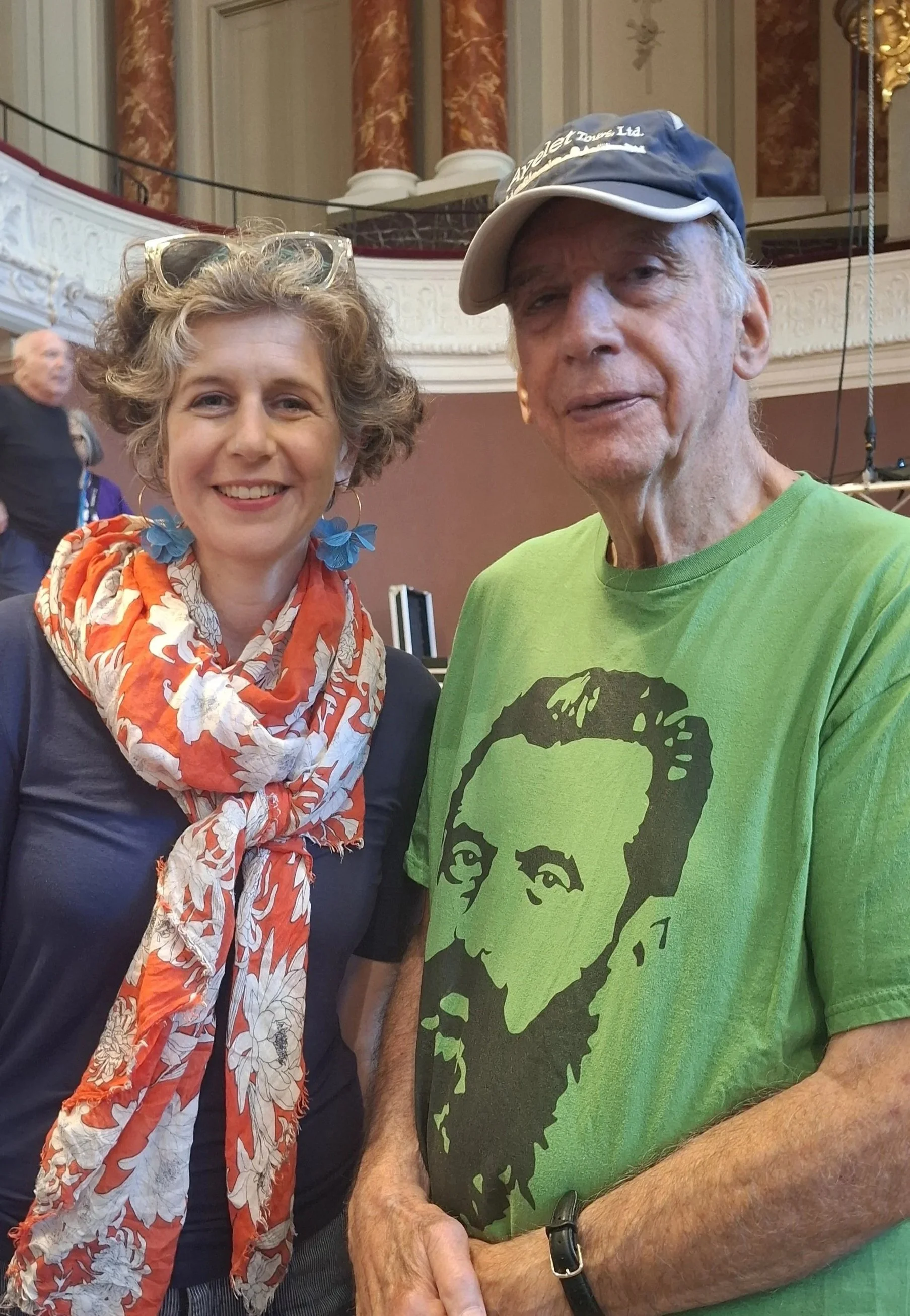
From there we continued to Strasbourg before ending our journey in Basel. There, Professor Berk delivered his final lecture at the Stadtcasino, where Theodor Herzl convened the First Zionist Congress in 1897. Whatever one's feelings about Israel today, standing in that hall was a moving reminder of a pivotal moment in modern Jewish history.
One aspect of the journey that stayed with me was the security. At every synagogue we visited, security measures were exceptionally tight. I find it deeply saddening that, in twenty-first-century Europe, such precautions remain necessary.
Why I keep exploring?
Preparing for this tour involved extensive research, two trips to the region, and countless hours of study at home. If you’re wondering why a Berlin guide would spend so much time studying a Rhine cruise?
For me, guiding is not only about sharing knowledge, it is also about continuing to learn. I look for opportunities to step outside my comfort zone, explore new places, and deepen my understanding of German and European history. Ultimately, these experiences make me a better guide back home in Berlin.
I will be in touch mid-September and share my experiences from my vacation in Sweden and Finland! In the meantime, have a lovely summer.